
REVIEW · BAKU
Baku: Gobustan, Volcanoes, Fire Temple and Yanardag Day Trip
Azerbaijan keeps its best surprises outside Baku. This full-day outing combines Gobustan’s ancient rock art with bubbling mud volcanoes, an old oil well, Ateshgah Fire Temple, and Yanardag’s eternal flame. I especially like the no-shopping-stop promise and the way the route connects archaeology, oil, geology, and Zoroastrian traditions. The trade-off is a fairly tight schedule, and rainy weather can cancel the mud volcano stop.
I also like that hotel pickup, transport, entrance fees when selected, and a live English or Russian-speaking guide are built into the experience. Guides such as Sayed, Mahabat, Elcan, Leyla, and Ughur receive repeated praise for clear explanations, patience, humor, and help with photos. Just keep the 6 to 8-hour day in mind: you will cover a lot of ground, but you will not linger everywhere.
Key points to know before booking
- The route covers four very different sides of Azerbaijan: prehistoric art at Gobustan, oil at Bibi-Heybat, mud volcanoes near the Caspian coast, and fire sites on the Absheron Peninsula.
- There are no shopping stops, so your time is used for historic and geological sights rather than carpet, spice, or souvenir sales.
- The mud volcano visit is the wildest stop, often reached by rugged Soviet-era Lada vehicles according to the tour details and guest experiences.
- Lunch costs extra, usually about $8 to $12 at a buffet-style local restaurant.
- The guide can make or break the day, and this company has earned strong praise for guides who explain details, answer questions, and keep groups together.
- Rain changes the plan: the mud volcanoes are skipped for safety on wet days.
Why this day trip works so well from Baku
At $29 per person, this is a low-cost way to reach several places that are awkward to combine independently. You get hotel pickup and drop-off, transportation, a guide, and the listed museum or entrance fees if you choose the ticket-inclusive option. Lunch is the main extra expense.
I see the value in the route because it does not spend time padding the day with shops. You leave Baku and quickly move into a part of Azerbaijan that feels very different from the polished capital. The stops are not all alike, which keeps the day interesting. Gobustan is archaeological, the mud volcanoes are geological, and the fire sites connect to the region’s religious and industrial past.
The tour is offered as a private or small-group experience. That matters on a long outing. A small group gives you a better chance to hear the guide, ask questions, and move through the stops without the sluggish feel of a large coach. Past groups have sometimes been very small, with one guest describing a group of four plus the guide.
Pickup is available from a wide range of central Baku hotels and meeting points, including the JW Marriott Absheron, Courtyard by Marriott, Hilton Baku, Baku Marriott Boulevard, SAHIL Hostel & Hotel, and several addresses around the Old City and central boulevards. The provider contacts you the day before to confirm the time, so watch for that message.
More Gobustan Mud Volcano Tours in Baku:
- Baku: Gobustan, Mud Volcano, Fire Mount, Temple Lunch Entry
★ 4.9 · 3,246 reviews - BEST Gobustan, Volcanoes & Absheron Fire Tour (Group or Private)
★ 5.0 · 1,254 reviews - Gobustan-Mud Volcan-Fire Temple and Mountain Tour/Entrance inc
★ 5.0 · 267 reviews
Bibi-Heybat and Azerbaijan’s oil story
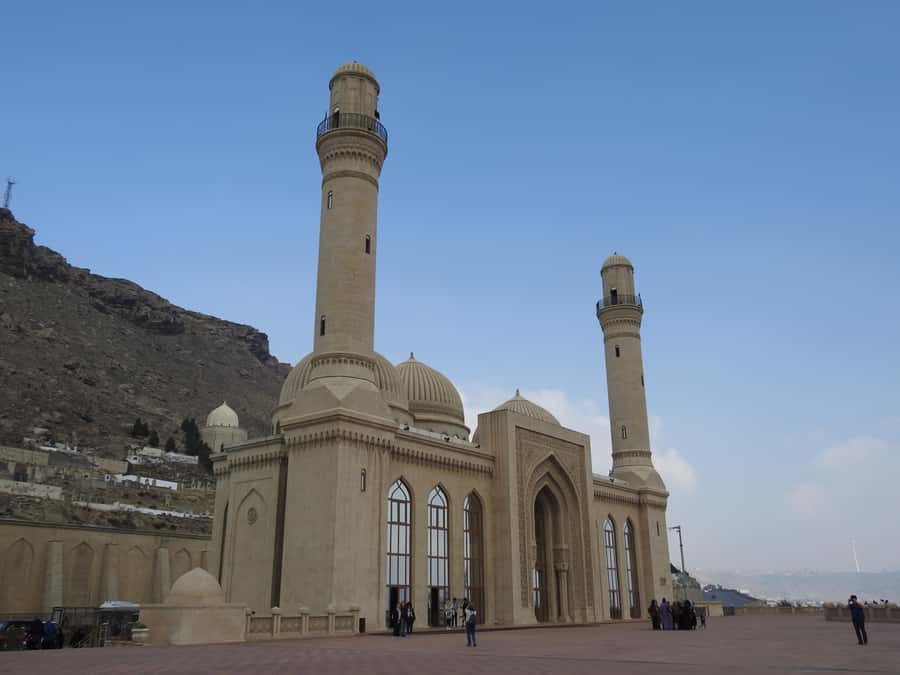
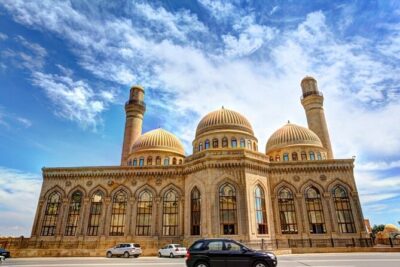
The first stop is near Bibi-Heybat Mosque, where you see an early industrialized oil well. It is a short visit, around 30 minutes, but it gives the rest of the day useful context.
Baku’s modern wealth did not appear by accident. Oil shaped the city, attracted foreign investment, and changed the region long before the modern energy boom. Seeing an early oil site before visiting prehistoric Gobustan creates an unusual contrast: in one morning, you move from ancient rock markings to the machinery and industry that helped define modern Azerbaijan.
The Bibi-Heybat area also gives you a quick look at one of Baku’s important religious landmarks. The tour focuses on the oil well and surrounding area rather than offering a long mosque visit, so you should treat this as an introductory stop, not a full architectural tour.
Gobustan’s petroglyphs: the day’s strongest history stop
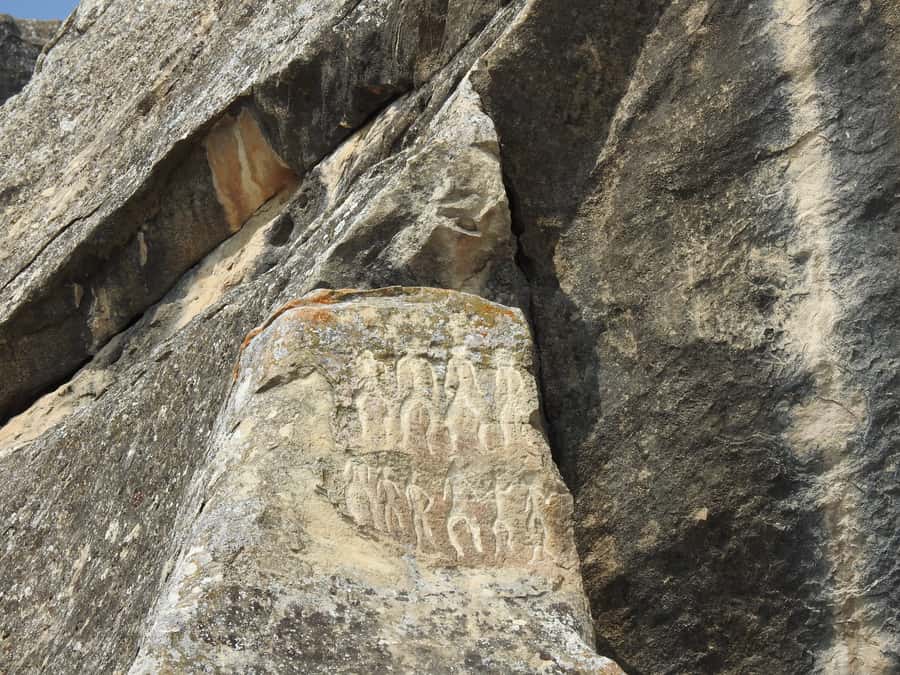
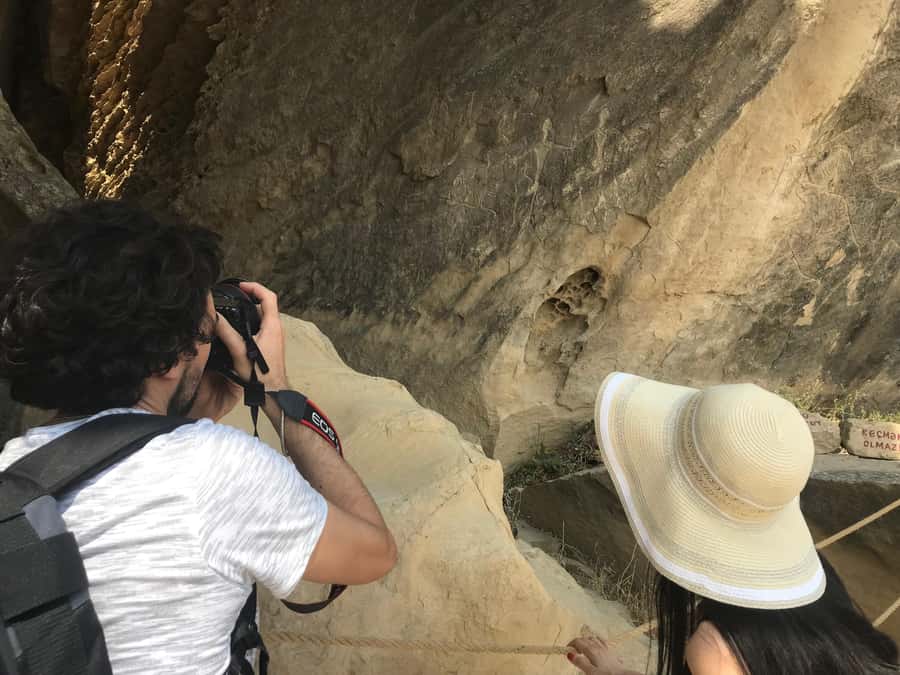
Gobustan National Park is about 70 kilometers from Baku. The visit includes the Gobustan Museum of Petroglyphs, an indoor and outdoor museum, with roughly an hour set aside for a guided tour.
This is the stop where the day gains real depth. The carved rocks and cave walls show scenes made by prehistoric people, offering clues about hunting, daily work, ceremonies, and the way ancient communities understood their surroundings. Your guide helps turn marks on stone into evidence of human life rather than leaving you to stare at faint lines and guess.
I would give close attention to the explanations here. Without context, some carvings can be easy to miss. With a good guide, the visit becomes a lesson in how people recorded animals, movement, tools, and social life long before written records.
The indoor museum helps fill in what you see outdoors. That pairing is useful, especially if the weather is harsh or the rock carvings are less clear than expected. The outdoor section is the more memorable part, but the museum gives you a framework for understanding it.
Several people have described the guides as particularly effective at Gobustan. Mahabat was praised for managing a crowded visit calmly, while guides such as Sayed, Leyla, and Elcan are repeatedly noted for making the information simple and engaging. You can expect plenty of background on Azerbaijan’s past, and you should feel free to ask questions rather than treating this as a quick photo stop.
The main limitation is time. One hour is enough to see the principal displays and hear the key explanations, but it is not enough for a slow archaeological study. If Gobustan is your main reason for coming, a dedicated visit would allow more freedom. If you want a broad day covering several highlights, the allotted time is sensible.
Mud volcanoes and the roughest ride of the day
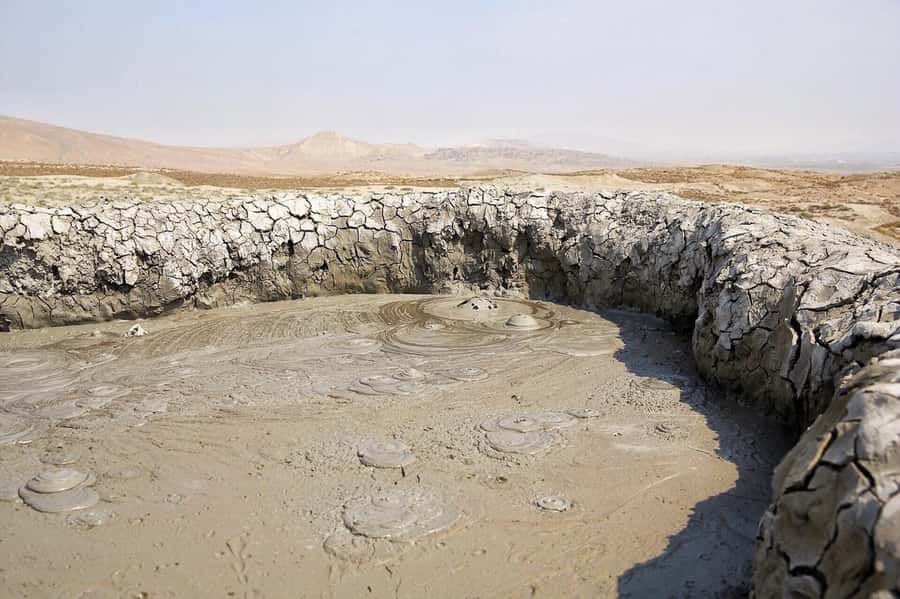
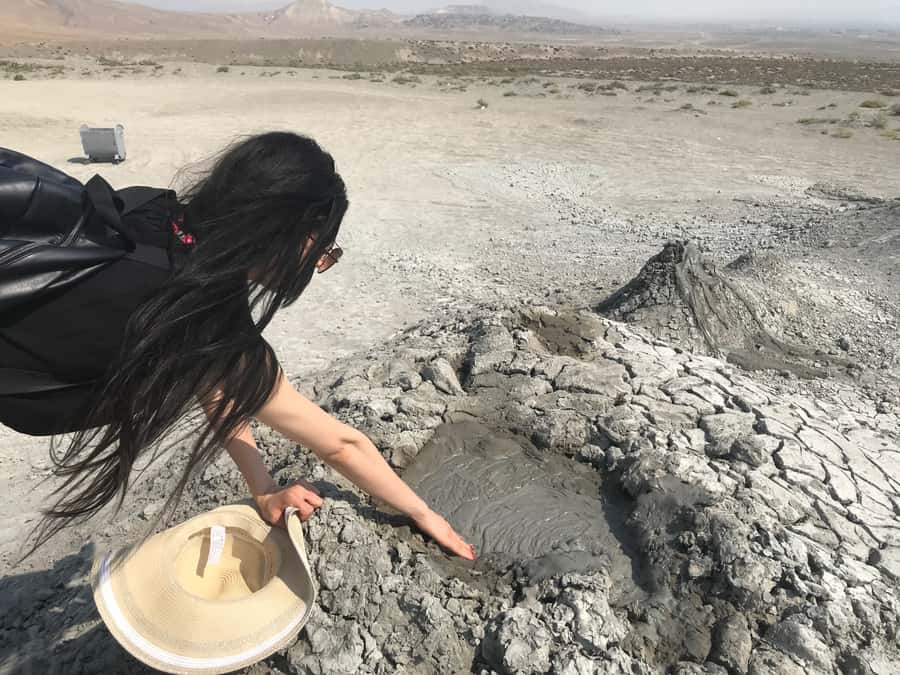
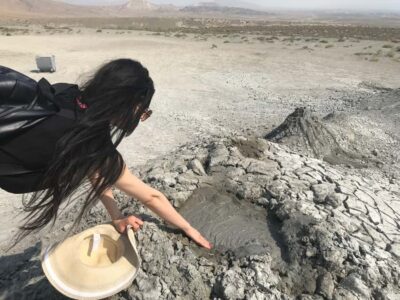
Azerbaijan is home to around 400 mud volcanoes, and the coastal area near Gobustan is the place to see them. The tour allows about 20 minutes for the stop, so this is a short, unusual encounter rather than a long geological walk.
Mud volcanoes are not the same as lava volcanoes. Instead of molten rock, they push up cool or relatively cool mud and gases. The result can look like small cones, wet patches, and bubbling pools. It is a strange sight, and one of the places where Azerbaijan earns its Land of Fire reputation in a completely different way.
The approach may be part of the fun. One guest singled out transport in Soviet-era Lada vehicles as a highlight, while another described the off-road ride to the volcanoes as a memorable part of the day. The exact vehicle arrangement can vary, but you should expect this stop to feel more rugged than the rest of the outing.
Bring sensible shoes and expect uneven ground. The supplied information does not promise a long walk or special facilities, so keep your expectations practical. This is about seeing a rare natural feature, taking photographs, and hearing how the geology works.
Weather is important here. On rainy days, the mud volcano stop is skipped for safety. That is not a minor detail: wet roads can make access difficult, and the tour will not force the stop simply to follow the timetable. If mud volcanoes are your top priority, check the forecast and accept that this part is weather-dependent.
More Day Trips in Baku:
- Small-Group Day Trip to Gobustan, Mud Volcanoes, Ateshgah & Yanar Dagh
★ 4.5 · 3 reviews - Pompeii and Mount Vesuvius Day Trip from Rome with Pizza Lunch
★ 4.5 · 6,151 reviews - From Rome: Pompeii Day Trip with Optional Vesuvius and Lunch
★ 4.6 · 5,067 reviews - Catania: Mount Etna Morning or Sunset Day Trip with Tasting
★ 4.8 · 4,028 reviews
Lunch at a local buffet
After the Gobustan area, the group stops at a buffet-style restaurant for Azerbaijani food. Lunch is not included, and you should budget approximately $8 to $12.
This arrangement keeps the headline price low while giving you a chance to choose what you want. Past descriptions mention a broad food selection and dishes that were well received, though one guest felt the lunch stop could be improved. I would treat it as a convenient meal break rather than a carefully planned food tour.
You may find this stop useful because the day is long and the schedule continues into the afternoon. You can buy a filling meal without having to organize a separate restaurant reservation. If you have dietary needs, ask the guide what is available before filling your plate, since the exact buffet choices are not specified.
Ateshgah Fire Temple and the Zoroastrian connection
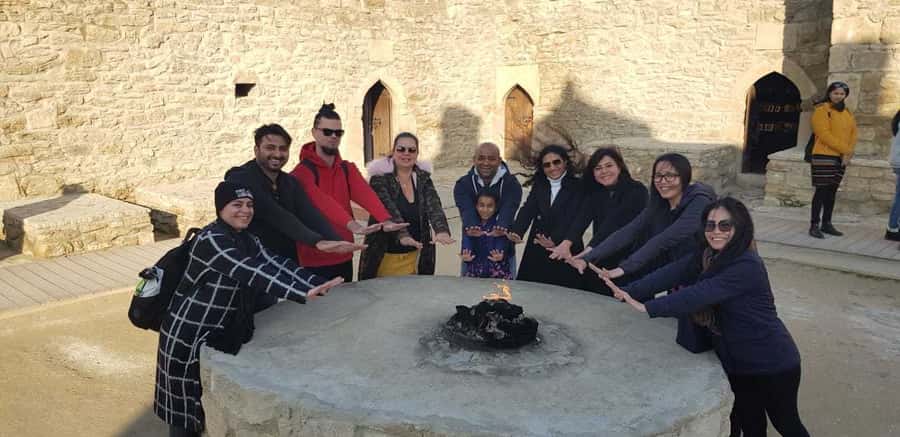
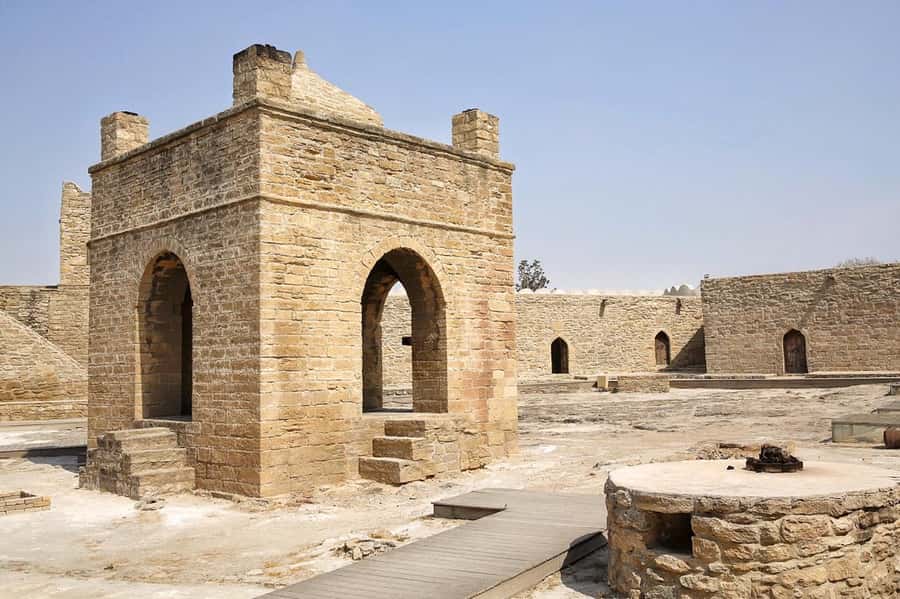
The Ateshgah of Baku is an ancient fire temple and former place of worship for fire-worshippers. The tour allows around 40 minutes, making this one of the longer afternoon stops.
The temple helps explain why fire has such a strong place in Azerbaijan’s identity. Natural gas once burned in this region, and those flames drew Zoroastrian worshippers. The site is not just a pretty courtyard with a flame in the middle. It represents a religious tradition built around purity, light, and sacred fire.
Your guide’s explanation is valuable here because the architecture alone does not tell the full story. Look at the small rooms around the central area and consider how the temple functioned as a place for worship and for receiving visitors. The setting also shows how religious practice and local geology were linked.
The visit can feel more structured and museum-like than Gobustan. That is not a weakness, but it changes the mood. Gobustan asks you to interpret traces left in open rock, while Ateshgah presents a more defined historic site. Together, they give you two different ways to understand the region.
Guides such as Sayed and Samir have been praised for explaining the connection between the temple, Azerbaijan’s past, and the country’s fire traditions. If you enjoy history with a strong religious and cultural angle, this may be your favorite afternoon stop.
Yanardag, the burning hillside
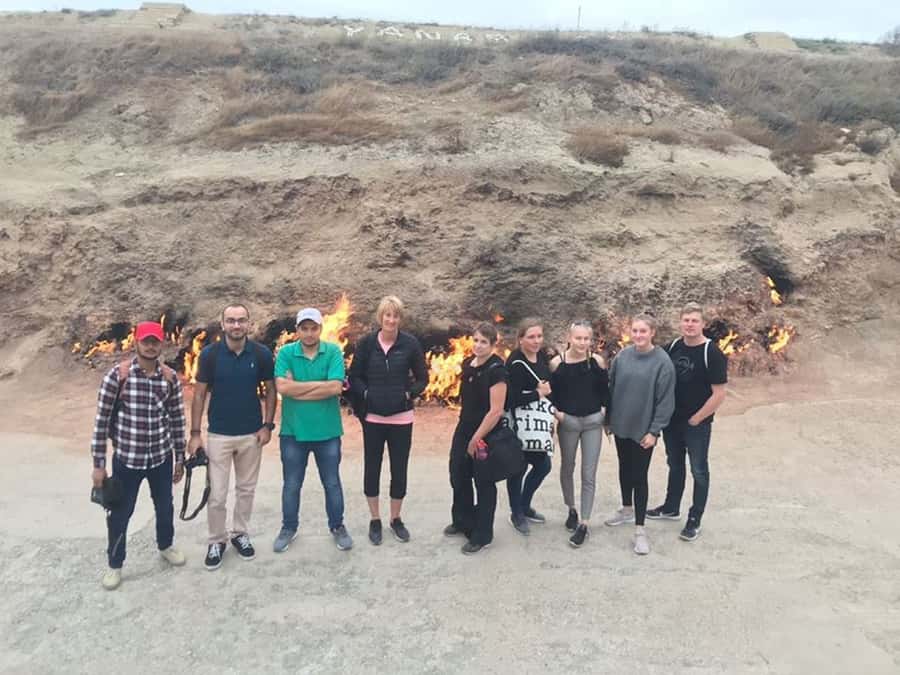
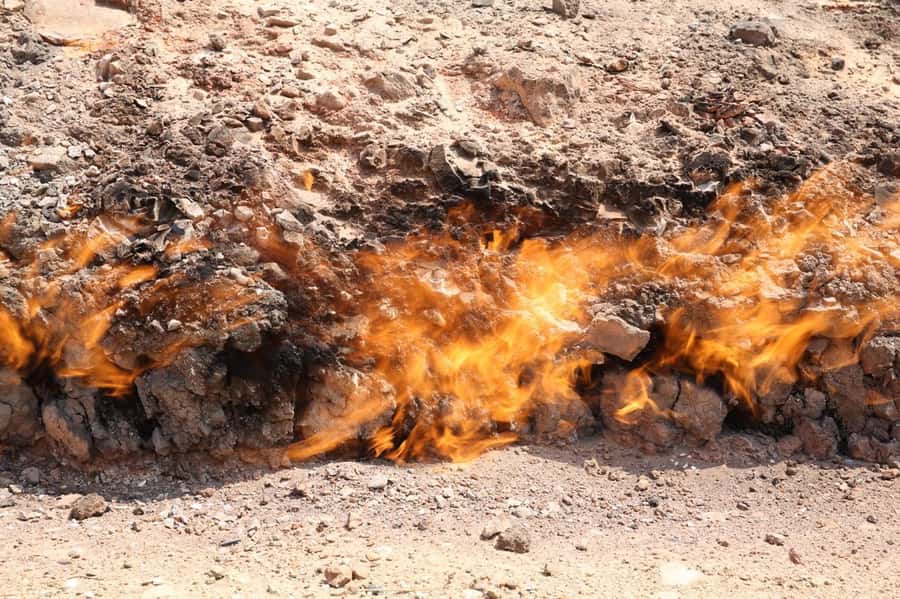
The final major sight is Yanardag, a natural gas fire that burns continuously on a hillside on the Absheron Peninsula. The visit lasts about 30 minutes.
Yanardag is visually simple but hard to forget. Flames run along the hillside, creating a sight that feels almost unreal, especially when you remember that this is natural gas emerging from the ground rather than a theatrical display. It is also a good final stop because it brings together the day’s main ideas: unusual geology, fire worship, and Azerbaijan’s long connection with energy.
The fire itself does not require a long visit, so half an hour is enough for photographs and an explanation. The site may not satisfy someone looking for a large archaeological complex, but its power comes from the direct experience of seeing the flames. You are not merely hearing about natural gas seepage. You are looking at it.
Some people find Yanardag more immediately impressive than Ateshgah because the fire is natural and active. Others prefer the temple because it offers more cultural detail. I like the fact that the tour includes both. One shows how people built meaning around fire, and the other shows the physical force that helped inspire those beliefs.
The guide is a major part of the experience
The strongest pattern in the feedback is the quality of the guides. Sayed is repeatedly described as warm, funny, clear, and well prepared. Mahabat receives praise for organization and patience. Elcan, Leyla, Musa, Ughur, Samir, Asaf, and others are also described as helpful, attentive, and strong English speakers.
That matters because several stops need explanation. A bubbling mud pool, a faint petroglyph, or a simple-looking fire temple can pass quickly if nobody supplies the background. A good guide also helps with practical matters, such as group photos, timing, and keeping everyone comfortable.
Languages offered are English and Russian. One experience also included explanations in English and Turkish, but Turkish should not be assumed as a standard language for every departure. If language support is important to you, confirm it before booking.
The guides do not all have the same personality, of course. Some are praised for humor, some for detailed historical information, and some for taking photos or helping the group connect. The common thread is an active approach rather than simply pointing at each site and moving on.
Timing, comfort, and the small drawbacks
The tour lasts six to eight hours, usually beginning with morning pickup. That makes it a full day, especially with the drive to Gobustan and the return to Baku. One guest called the timetable tight, while others felt the pacing was comfortable and well organized.
You should expect a day with several short stops rather than long periods at one site. The route is efficient, but you will need to reboard the vehicle often. If you prefer a slow pace, a private version may give you more control, though the listed duration still suggests a full schedule.
Transport is included, and several people describe the vehicle as comfortable. The mud volcano transfer may be rougher if Soviet-era off-road vehicles are used. In warm weather, bring water. A past guest specifically wished water were supplied in the vehicle, so carrying your own is sensible.
The lunch stop is practical but not a highlight for everyone. Since it costs extra and the quality can vary, keep your expectations moderate. The attraction here is the route, not a gourmet meal.
The no-shopping format is a real advantage. You lose the chance to browse local goods, but you also avoid pressure and protect valuable time. If you want a souvenir, you can shop separately in Baku, where you will have more freedom to compare prices and styles.
Free cancellation is available up to 24 hours before departure, and you can reserve now and pay later. Entrance fees and museum tickets are included only if you select the relevant option, so check the booking choice carefully.
Who should book this Baku excursion?
I would choose this tour if you have one free day in Baku and want to understand the area beyond the city center. It suits first-time visitors, history fans, geology enthusiasts, families who prefer a planned day, and anyone who wants the major Absheron and Gobustan sights without arranging several separate rides.
It is especially useful if you value explanation. The sites are spread out, and the guide adds the links between ancient carvings, oil, fire worship, and natural gas. You will come away with a clearer sense of why these places belong on the same route.
I would hesitate if you want long hikes, extended time at each archaeological site, or a food-focused experience. The day moves at a firm pace, lunch is basic rather than central, and the mud volcanoes may be removed from the plan after rain.
Should you book it?
For $29, this is strong value if you want a broad, history-focused day outside Baku without shopping stops. The best parts are the range of sights, the included transport, and the guides who bring structure and personality to places that could otherwise feel disconnected.
Book it if you want Gobustan, mud volcanoes, Ateshgah, and Yanardag in one organized outing. If your priorities are a leisurely pace or a guaranteed mud volcano visit, choose a private arrangement if available and check the weather first. Otherwise, this is one of the more efficient ways to see Azerbaijan’s prehistoric art, sacred fire, and unusual geology in a single day.
FAQ
How long does the Baku day trip last?
The tour lasts approximately 6 to 8 hours, including the visits outside Baku and the return journey.
What places are included?
The route includes Bibi-Heybat, Gobustan National Park Museum, the mud volcanoes, Yanardag, and Ateshgah Fire Temple.
Is hotel pickup included?
Yes. Hotel pickup and drop-off are included, with pickup available from the listed Baku hotels and meeting points.
What languages does the guide speak?
Live guides are available in English and Russian.
Is lunch included in the price?
No. Lunch is purchased separately at a buffet-style restaurant and usually costs about $8 to $12.
What happens if it rains?
The mud volcano visit is skipped on rainy days for safety reasons.
Are entrance tickets included?
Museum tickets and entrance fees are included if you select the ticket-inclusive option when booking.
Is this a private tour or a group tour?
Private and small-group options are available.
Can I cancel the booking?
Yes. You can cancel up to 24 hours in advance for a full refund. You can also reserve now and pay later.
Just added around Baku
- Gobustan Rock Art & Mud Volcanoes Tour★ 5.0 · 36 reviews
- Small-Group Day Trip to Gobustan, Mud Volcanoes, Ateshgah & Yanar Dagh★ 4.5 · 3 reviews
- Qobustan rock arts, Mud Volcanoes, Fire temple Ateshgah, Yanardag★ 5.0 · 30 reviews
- Gobustan and Mud volcanoes PRIVATE TOUR★ 4.5 · 12 reviews
- Mud Volcanoes & Gobustan Private Tour★ 5.0 · 9 reviews
- Gobustan National Park & Mud Volcanoes Tour★ 5.0 · 17 reviews
- Gobustan and Mud volcanoe GROUP TOUR★ 5.0 · 13 reviews
- Gobustan Rock Art and Mud volcanoes PRIVATE TOUR★ 5.0 · 9 reviews
Gobustan Mud Volcano Tours, compared.
BEST Gobustan, Volcanoes & Absheron Fire Tour (Group or Private)
Our review of it →
Gobustan-Mud Volcan-Fire Temple and Mountain Tour/Entrance inc
Our review of it →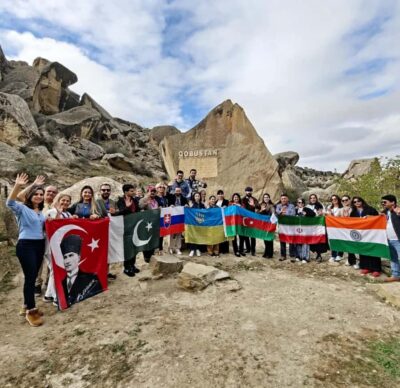

Tour to the Mud Volcano in Cartagena with Lunch
Our review of it →
Half-Day Gobustan and Mud Volcanoes Tour with Entry
Our review of it →Browse the lists this tour appears in