
REVIEW · FUERTEVENTURA
Fuerteventura: Guided Stargazing Calderón Hondo Volcano Tour
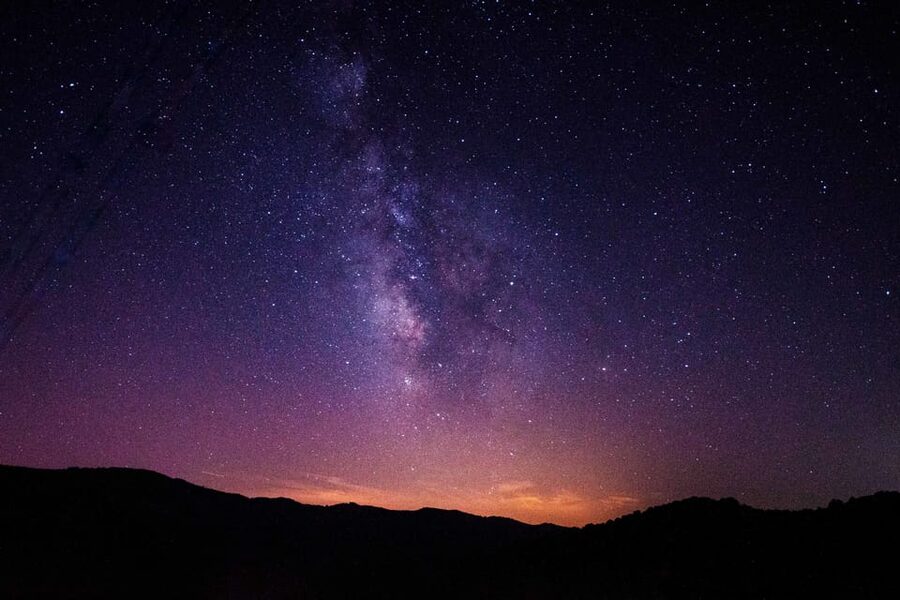
The stars are only half the story. This three-hour evening trip takes you up Calderón Hondo, Fuerteventura’s last active volcano, then into the crater country for a look at constellations, planets, and the Milky Way. I like the unusual mix of geology and astronomy, and I like that the guide connects the night sky with island folklore and native traditions.
The other strong point is the guiding. Victor is repeatedly praised for his humor, care, and ability to explain the island and the stars in clear, entertaining terms. The main drawback is simple: clouds can spoil the stargazing, and no refund is offered if the stars are hidden. You also need steady footing, warm clothing, and a willingness to walk over rough volcanic ground.
Key points at a glance
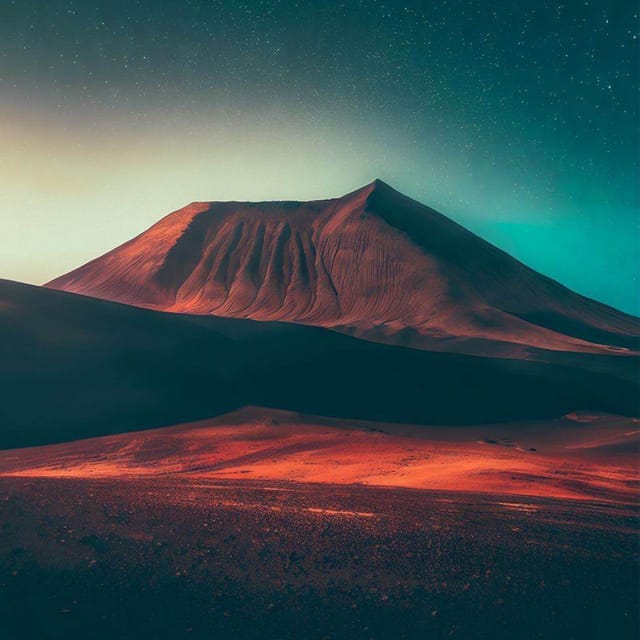
- Walk inside an active volcanic crater: Calderón Hondo gives you a close look at Fuerteventura’s volcanic past, with views toward Lajares, the Corralejo dunes, and Lanzarote.
- Stargaze away from strong town lights: The crater area provides a dramatic setting for spotting constellations, planets, satellites, and, on clear nights, the Milky Way.
- Victor is a major part of the experience: He is often praised for his humor, warmth, multilingual guiding, and ability to keep the group engaged when clouds appear.
- The walk is short but not polished: Expect rocky ground and one steeper section near the top. Closed shoes are essential.
- Weather controls the finale: You may see Saturn, Jupiter, the moon, and several constellations, but cloud cover can reduce the astronomy portion.
- Optional pickup adds convenience: Bus transfers are available from Corralejo, El Cotillo, and Puerto del Rosario, with the meeting point listed as the Repsol h2go service station.
Why Calderón Hondo makes a good night out
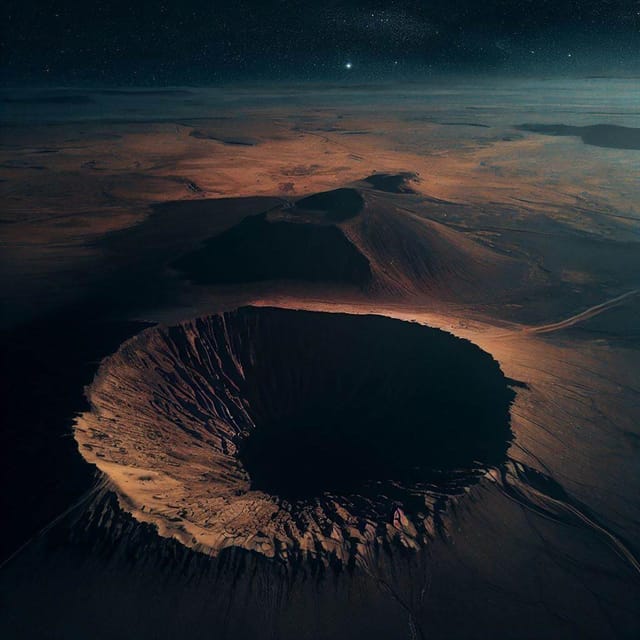
Fuerteventura is often sold through beaches, dunes, and ocean views. This trip gives you a different side of the island. Calderón Hondo is a volcanic cone, and the walk brings you across ground shaped by eruptions and geological change over millions of years.
That setting matters after dark. A volcano feels more dramatic when you can no longer see every detail. Your headlight picks out the path, the crater opens up as a dark bowl, and the sky becomes the main event. The silence is part of the appeal.
The experience is not only about naming stars. The guide explains how fire and the sky fitted into local traditions and how people used the stars to understand seasons and direction. That cultural layer gives the evening more purpose than simply pointing a laser at Orion.
I especially like the pairing of the crater and the astronomy session. A standard stargazing outing can feel detached from its setting. Here, you first learn where you are, then look upward from a place that tells its own story.
More Volcano Sunset Tours in Spain
- From Fuerteventura: Sunset Hike at Volcano with Scenic Views
★ 4.7 · 122 reviews - Tenerife: Teide National Park Sunset & Stargazing Tour
★ 4.2 · 3,812 reviews - Tenerife: Sunset and Stargazing at Teide National Park
★ 4.7 · 2,826 reviews
From the pickup point to the volcano
If you select the transfer option, the bus collects you from Corralejo, El Cotillo, or Puerto del Rosario. The exact time can change with the season and your pickup location, and the guide sends the final time by email 24 hours before the activity.
That changing schedule is worth noting. This is an evening activity, and the start has to fit the sunset and the darkness needed for stargazing. Do not rely only on the initial time shown when booking.
The transfer is more than a ride if Victor is guiding your departure. Several people found the minibus journey entertaining, with information about Fuerteventura mixed with jokes and, on one outing, a selection of love songs. That will not appeal to everyone, but it gives the trip a friendly, social feel.
You can also meet at the Repsol h2go service station if you are making your own way. One useful piece of advice from the experience is that the route toward the volcano can be awkward, so the transfer may be worthwhile even if you have a rental car. It removes the need to find the correct access point and lets the guide handle the return.
The walk up Calderón Hondo
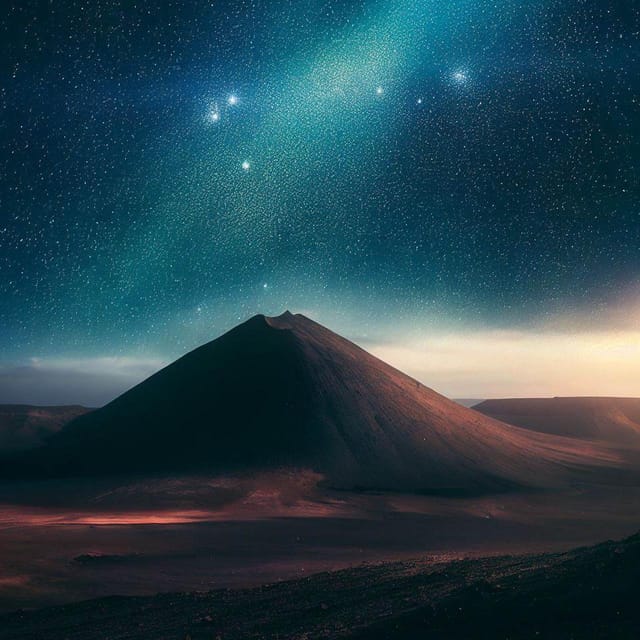
The walk begins around dusk, when there is still enough light to see the volcanic scenery. This is the best time for the geology talk because you can see the shape of the cone, the surrounding dry terrain, and the distant views toward Lajares, the dunes of Corralejo, and Lanzarote.
The path is not described as a difficult mountain hike, but it is rocky. One section becomes steeper as you approach the crater edge. Good walking shoes are not optional here. Closed-toe shoes protect your feet, and comfortable footwear will make the descent much easier.
At the top, you can look into the crater and take photographs before darkness fully settles. The crater is the emotional center of the first half of the trip. You are not simply standing beside a viewpoint. You are looking into the remains of volcanic activity while the guide explains how the island was formed.
This part suits people who like an active outing but do not want a full-day trek. It may not suit anyone with mobility problems or a strong fear of heights. The activity information also lists people over 65 among those for whom it is not suitable, so older visitors should take that warning seriously rather than judging the walk by its three-hour duration.
Crater views after sunset
As the light fades, the volcano changes character. The broad views become silhouettes, and the crater turns into a dark, quiet space. Headlights are supplied, which makes the path safer while preserving the feeling of being far from ordinary evening life.
The darkness also helps you notice small things. A beam catches loose volcanic rock. The wind becomes more obvious. The town lights sit in the distance, while the crater itself remains quiet. This is a simple setting, but it has more atmosphere than a paved lookout.
Do not expect a polished visitor center, benches, or a neatly lit path. The appeal is the raw setting. You trade comfort for a closer connection with the ground beneath you.
Depending on the timing, you might catch sunset colors before the astronomy session begins. One outing included a clear view of sunset from the volcano, while other evenings moved more quickly into cloud and darkness. The exact sequence depends on the time of year and conditions.
More Volcano Sunset Tours in Fuerteventura:
- Catania: Mount Etna Morning or Sunset Day Trip with Tasting
★ 4.8 · 4,028 reviews - Teide National Park Sunset & Stargazing with Dinner (Star Safari)
★ 5.0 · 2,601 reviews - Teide National Park: Sunset & Stargazing Safari with Dinner
★ 4.6 · 2,115 reviews - Catania: Sunset Jeep Tour of Mount Etna and Lava Flow Caves
★ 4.8 · 2,113 reviews
Learning the sky with Victor
The strongest part of this activity is the guide’s presentation. Victor is often described as funny, kind, energetic, and passionate about both Fuerteventura and astronomy. He also guides in English, Italian, and Spanish, which helps mixed-language groups follow the explanations.
His approach appears to be informal rather than classroom-like. He uses a laser pointer to identify objects overhead and a tablet app to show constellations before locating them in the actual sky. That is useful if you are not familiar with astronomy. You first get a visual reference, then look up and try to match it.
On a clear evening, you might see several constellations, planets, satellites, and the Milky Way. Saturn and its rings were spotted on one outing, while Jupiter and the moon were seen on another. A telescope was also used to give one group a closer look at the moon, though telescope viewing should not be treated as a guaranteed part of every departure because it is not listed among the included features.
The sky changes with the date, season, moon, and clouds. Strong moonlight can make some stars harder to see, but it does not end the session. One evening with a bright moon still allowed the guide to point out constellations.
I like that the guide does not treat the sky as a test. You do not need to know star names in advance. The explanations cover astronomy, mythology, and practical ways earlier island communities used the heavens to understand the year.
Cloud cover is the real risk
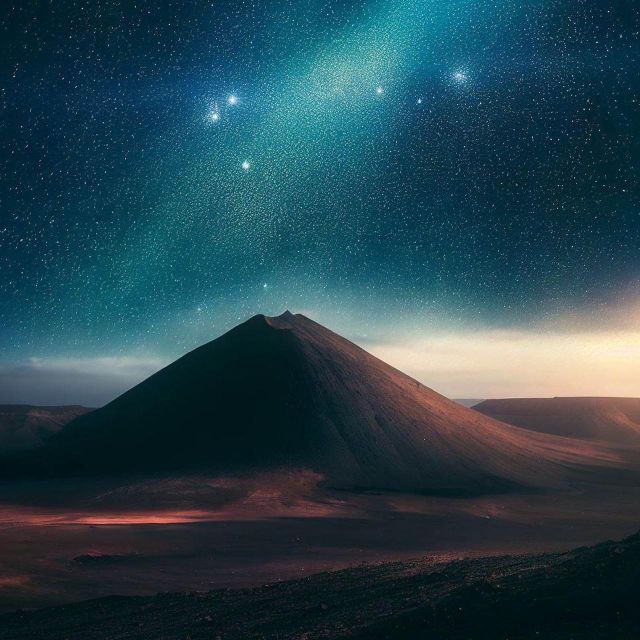
You should book this with realistic expectations. Fuerteventura often has good conditions for night skies, but this trip cannot control clouds. Several outings had partial cloud cover, with clear gaps appearing later. On those nights, the guide adjusted the plan, explained what could and could not be seen, and kept the group interested with stories about the volcano and island culture.
That flexibility is valuable, but it does not change the basic risk. If the stars are not visible because of weather, the activity does not provide a refund. You are paying for a guided volcanic evening that includes stargazing, not for a guaranteed view of the Milky Way.
Book at least three days in advance so the operator has time to check the forecast. Even then, weather can change. If seeing the stars is your only reason for booking, this uncertainty may bother you. If you also want the volcano walk, views, history, and a lively evening outdoors, the risk is easier to accept.
A jacket or coat is essential. The crater area can be windy and cold after sunset, even when the day felt warm. Pack water, use the supplied headlight, and bring food beforehand because meals are not included.
Is the $53 price fair?
At $53 per person, the value depends on what you want from the evening. You receive a three-hour guided outing, water, a headlight, the volcano walk, astronomy instruction, and cultural background. With the transfer option, pickup and drop-off are included from the listed towns.
That is a fair price for a guided evening that combines transport, outdoor access, and interpretation. You are not just paying for a viewpoint. You are paying to avoid navigating the volcano in the dark, to have someone explain what you are seeing, and to turn a cloudy night into something worthwhile.
The price is less attractive if you expect professional observatory equipment or a guaranteed telescope session. This is a friendly, small-scale outdoor activity rather than a formal astronomy program. The guide and the setting do most of the work.
A rating of 4.7 from 594 bookings suggests strong satisfaction, and the praise focuses on the guide, the atmosphere, and the mix of volcano and stars. The repeated mention of Victor matters because his personality shapes the trip. A quiet, technical astronomy lesson this is not. Expect humor, conversation, and a guide who works hard to include everyone.
Who will enjoy this most?
I would recommend it to couples looking for an unusual evening, families with older children, and anyone who wants more from Fuerteventura than a beach day. Children aged 8 and 11 enjoyed one outing, while a family with children aged 11 and 14 also had a good time.
It can be romantic without being staged. The crater, dark sky, and remote setting provide the mood naturally. One couple even became engaged at the top, though that is certainly not part of the official service.
Solo visitors can fit in well too. The guide’s friendly manner helps take the edge off joining a group alone. The mixed groups may include English, Spanish, Italian, and other nationalities, so expect a social evening rather than private guiding.
I would skip it if you dislike uneven ground, have mobility concerns, fear heights, or want a warm, seated evening. Cruise ship passengers are listed as unsuitable, likely because the activity timing and pickup areas do not fit a cruise schedule. Babies under one year are also not suitable.
Practical advice before you book
Wear closed-toe shoes with a firm sole. Avoid sandals and smooth casual shoes, especially if you are not used to rocky paths.
Bring a warm jacket even in summer. Wind and darkness make the crater feel much cooler than the daytime temperature suggests.
Eat before you go. Food is not included, and the activity lasts about three hours.
Check your email the day before. The guide sends the exact time 24 hours ahead, and it may differ from the initial booking time.
If you are driving, consider the transfer option. The road and access can be tricky, and you lose some of the guide’s commentary when you travel separately.
Remember that the listed duration can vary depending on where you are collected. Build some flexibility into your evening plans.
Cancellation is flexible up to 24 hours before departure for a full refund. That helps if your plans change, but it does not cover a cloudy sky during the tour.
Should you book Calderón Hondo after dark?
Book it if you want a memorable outdoor evening with two clear parts: a volcanic walk and a guided look at the night sky. The strongest reasons to go are Victor’s lively guiding, the unusual crater setting, and the chance to connect Fuerteventura’s geology with its stories about fire and the heavens.
Do not book it expecting perfect stars every time. Clouds, wind, moonlight, and uneven ground are part of the deal. For most people who arrive prepared with good shoes, warm clothing, and flexible expectations, the $53 price offers a worthwhile way to see a quieter, more surprising side of the island.
FAQ
How long does the Calderón Hondo stargazing tour last?
The stated duration is three hours, though the total time may vary depending on your pickup location.
Where is the meeting point?
The listed meeting point is the Repsol h2go service station. Pickup and drop-off by bus are available from Corralejo, El Cotillo, and Puerto del Rosario when you choose the transfer option.
What languages does the guide speak?
Guiding is available in English, Italian, and Spanish.
What should I wear and bring?
Wear comfortable closed-toe shoes and bring a jacket or coat. The volcanic path is rocky, and the crater area can be windy and cold after sunset. Water and headlights are provided.
Are stars guaranteed during the tour?
No. Cloud cover can prevent clear stargazing, and no refund is provided if the stars are not visible because of weather. Booking at least three days ahead allows the operator to check conditions.
Is the tour suitable for people with mobility problems or a fear of heights?
No. The activity is not suitable for people afraid of heights, and the rocky route includes a steeper section. The information also lists people over 65, cruise ship passengers, and babies under one year as unsuitable for this activity.
Just added around Fuerteventura
- Volcanic Discovery PREMIUM eBike Tour: 35 km★ 5.0 · 99 reviews
- A volcano hike★ 4.5 · 5 reviews
- Lanzarote Volcanoes Tour departing from Fuerteventura★ 4.5 · 18 reviews
- Private Volcanoes Tour Electric Experience of Fuerteventura★ 5.0 · 30 reviews
- Fuerteventura: Montaña Escanfraga Volcano Summit Hike★ 5.0 · 8 reviews
- Fuerteventura: volcanic hike to the crater edge★ 4.9 · 86 reviews
- Fuerteventura: 4×4 Tour to Corralejo Sand Dunes & Volcano★ 4.1 · 13 reviews
- Caleta de Fuste/Corralejo: Guided E-Bike Tour & Crater Hike★ 4.7 · 57 reviews
Volcano Sunset Tours, compared.
Mount Etna Morning or Sunset Day Trip with Tasting
Our review of it →
Teide National Park Sunset & Stargazing Tour
Our review of it →
Sunset and Stargazing at Teide National Park
Our review of it →
Teide National Park Sunset & Stargazing with Dinner (Star Safari)
Our review of it →
Teide National Park: Sunset & Stargazing Safari with Dinner
Our review of it →
Sunset Jeep Tour of Mount Etna and Lava Flow Caves
Our review of it →
Small Group Big Island Twilight Volcano and Stargazing Tour
Our review of it →
Teide by Night: Sunset & Stargazing with Telescopes Experience
Our review of it →Browse the lists this tour appears in