
REVIEW · TENERIFE
Tenerife: Mount Teide Observatory Guided Tour
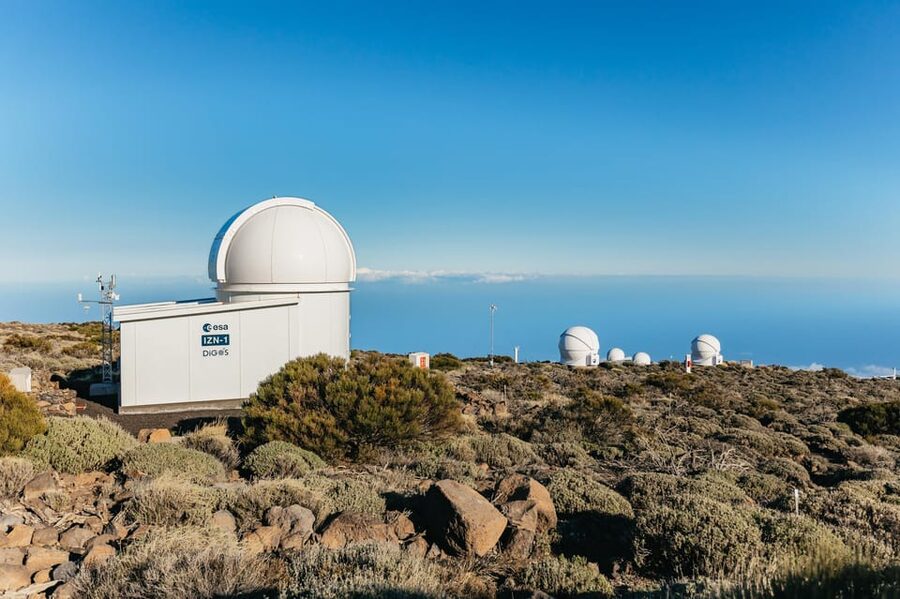
The sun looks different from Mount Teide. At about 2,400 meters above sea level, Tenerife’s Mount Teide Observatory gives you a close look at professional astronomy without requiring a night under the stars. The 1.5-hour visit combines a short film, an expert-led walk through the facility, two solar telescope sessions, and a look at one of the observatory’s huge night telescopes.
I especially like the chance to see sunspots and solar flares through separate instruments, rather than simply hearing a talk about them. I also like the way the guide connects the science to the machinery, so even a beginner can follow along. The main drawback is that much of the tour takes place outdoors on gravel, where the high-altitude sun can be fierce and the shade surprisingly cold.
This is a good choice if you are already heading into Teide National Park and want more than a cable-car ride and a few photographs. It is not a casual sightseeing stop, however. You need warm layers, sun protection, comfortable shoes, and enough physical energy for walking at altitude.
Key points to know before booking
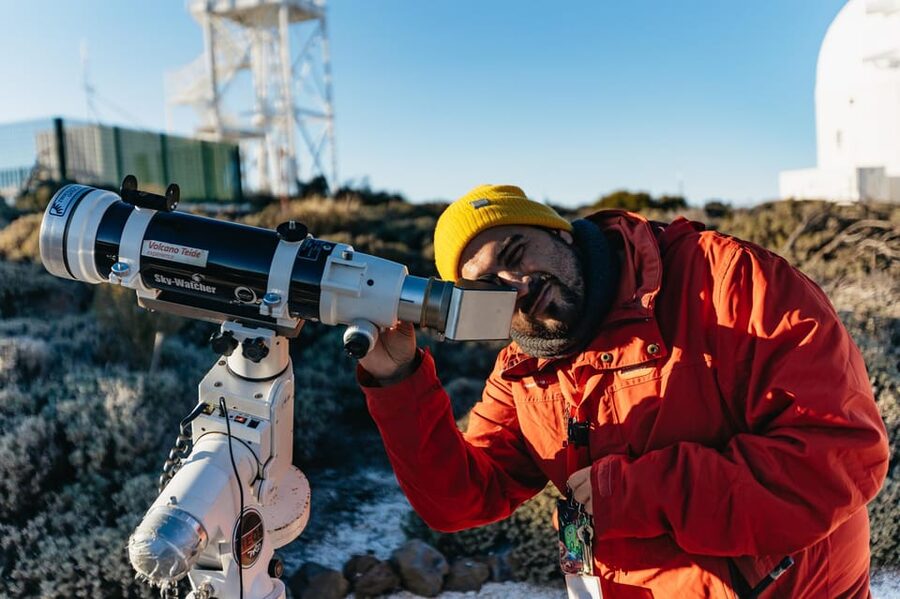
- Two solar telescopes: One is used to view sunspots, while the other helps you see solar flares.
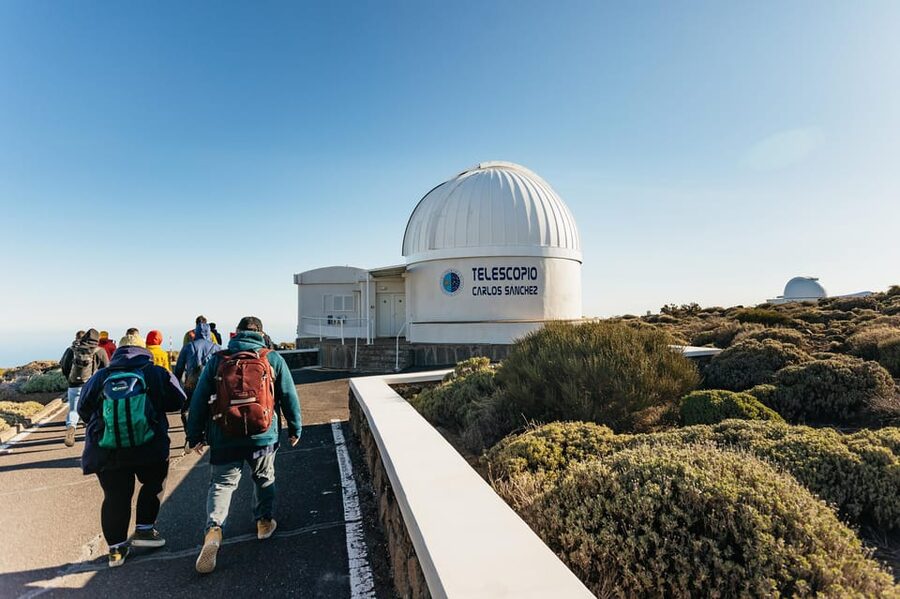
- A working research facility: You visit the largest solar observatory in the world and learn how astronomers study the sky.
- High-altitude conditions: The observatory sits at roughly 2,400 meters, where the air contains less oxygen and temperatures can change quickly.
- A night telescope visit: You get close to one of the large instruments used for observing the night sky, even though this is a daytime tour.
- Strong guiding: Guides such as Raquel, Jesus, and Steffi have been praised for making technical subjects clear, lively, and approachable.
- Bring your own transport: Food, drinks, and transportation are not included, and the meeting point depends on the option you choose.
Why the observatory is worth your time
Mount Teide is famous for its volcanic scenery, but the observatory adds a second reason to come up here. The high elevation and clear skies make the site useful for astronomical work, and the tour gives you a practical look at how that work happens.
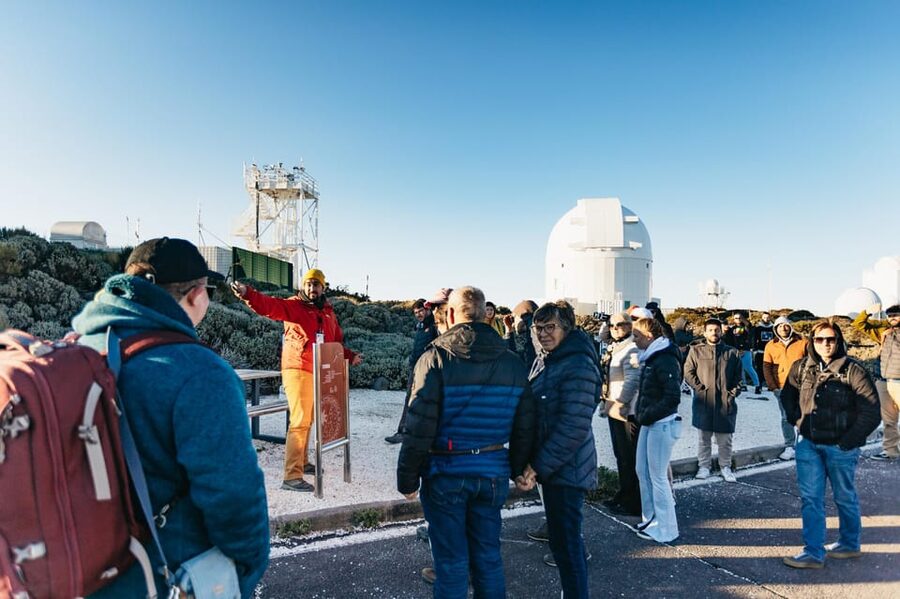
You are not simply shown a row of machines and left to guess what they do. The visit begins with an introduction to the different parts of the facility. You then watch a short video about the Canary Islands sky and learn how telescopes operate at night. That opening matters because it gives context before you begin walking around the equipment.
I like this structure. Without it, the huge domes and metal instruments could feel impressive but confusing. With it, you start to understand why astronomers choose this setting and what they are trying to measure.
The subject is presented for ordinary curious people, not only for serious astronomy fans. Technical explanations are supported by audiovisual material, and guides are expected to explain the science in several languages: English, Spanish, German, and French. The best guides bring humor and energy to the subject. Raquel has been singled out for being both passionate and amusing, while Jesus was praised for his clear explanations and warm manner.
More Mount Teide Tours in Tenerife:
- Tenerife: Mount Teide Tour with Cable Car Ticket & Transfer
★ 4.3 · 5,094 reviews - Tenerife: Teide National Park Sunset & Stargazing Tour
★ 4.2 · 3,812 reviews - Tenerife: Sunset and Stargazing at Teide National Park
★ 4.7 · 2,826 reviews
Starting with the Canary Islands sky
The first part of the visit helps you get your bearings. You learn about the observatory’s history, the surrounding area, and the difference between solar observation and night-sky research.
The short film is useful for people who do not already know the basics. It explains the quality of the sky around the Canary Islands and introduces the way the observatory works after dark. This is a brief presentation, not a full astronomy course, but it gives you enough background to understand the demonstrations that follow.
Your guide then leads you through the facility and explains the work of astronomers and astrophysicists. The distinction is useful: you are not only looking at telescopes, you are learning what scientists do with the information those telescopes collect.
The quality of this section depends partly on your guide. The strongest guides answer questions patiently and make difficult material feel manageable. Several guides have been praised by name, including Raquel, Jesus, and Steffi. That personal element is important because the subject can quickly become too technical if it is delivered as a lecture.
Looking at the sun through two telescopes
The solar viewing is the heart of the tour. You use two different solar telescopes, each with a separate purpose.
One telescope lets you look for sunspots. These appear as darker areas on the sun’s surface and can help you see that the sun is not a perfectly smooth glowing ball. The second telescope is used to view solar flares and related activity. Depending on conditions, the details may be subtle rather than dramatic, so it is wise to keep your expectations realistic.
You are not looking through ordinary binoculars or a standard sightseeing telescope. The instruments are fitted with special solar filters, making it safe to observe the sun during the supervised session. Do not attempt anything similar with an unfiltered telescope or camera. The guide controls the viewing process and explains what you are seeing.
Some people may expect giant explosions filling the eyepiece. That is not guaranteed. One visitor found the image less spectacular than expected, describing it as mainly red with limited detail. Another person, looking through infrared equipment, found the view of solar flares and sunspots astonishing. Both reactions make sense: solar activity changes, and what you see depends on the instrument, the conditions, and how clearly the guide explains the image.
The tour is at its best when the guide connects the view to scale. Sunspots can be enormous compared with Earth, and seeing them through a professional instrument gives the lesson a physical sense that a web page cannot match. Even if the image itself looks modest, the idea behind it is not.
Walking among the night telescopes
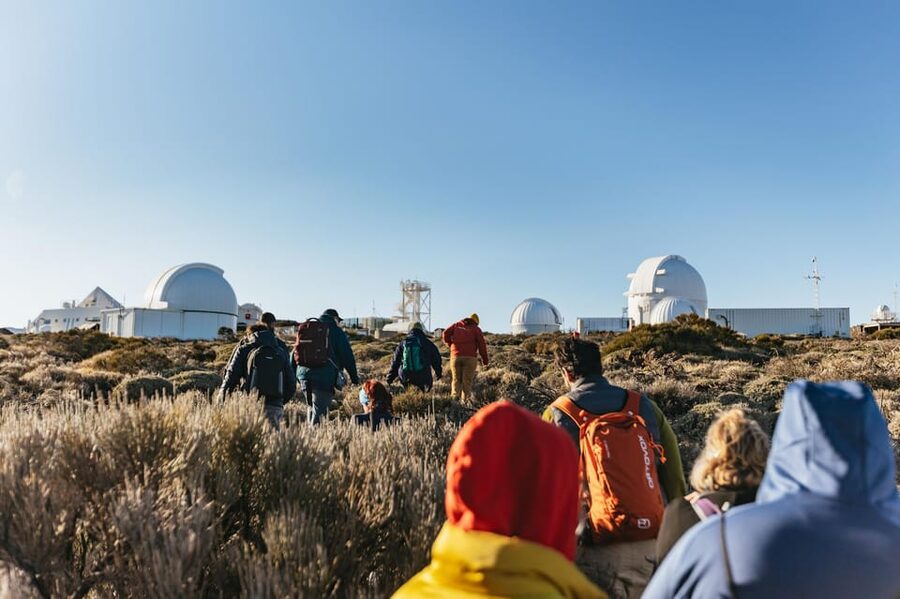
After the solar viewing, you visit one of the professional night telescopes. This is one of the most memorable parts for many people because it lets you see the scale of modern astronomy equipment up close.
The point is not to look through the night telescope at stars during this daytime tour. Instead, you learn how the structure moves, how astronomers use it, and how these instruments observe objects after dark. The observatory’s enormous machinery helps explain why astronomy is not simply a matter of pointing a small telescope at the sky.
Access can vary by the route and conditions. Some people have been able to enter a telescope building, while others have wished they could see more of the equipment inside the towers. The standard promise is access to a professional night telescope, so expect an informative look at the instrument rather than a full behind-the-scenes tour of every working area.
This part also helps balance the solar focus. You begin with the sun, our nearest star, and then shift to the much wider night sky. The contrast makes the visit feel like a short journey from local observation to the scale of the universe.
More Guided Tours in Tenerife:
- Teide: Guided Sunset & Stargazing Tour by Night with Dinner
★ 4.7 · 1,339 reviews - Tenerife: Teide National Park Guided Buggy Tour
★ 4.7 · 609 reviews - Tenerife: Guided Group Quad Tour on Mount Teide
★ 4.1 · 379 reviews - Teide National Park: Guided Large Telescope Stargazing Tour
★ 4.9 · 319 reviews
The setting is part of the attraction
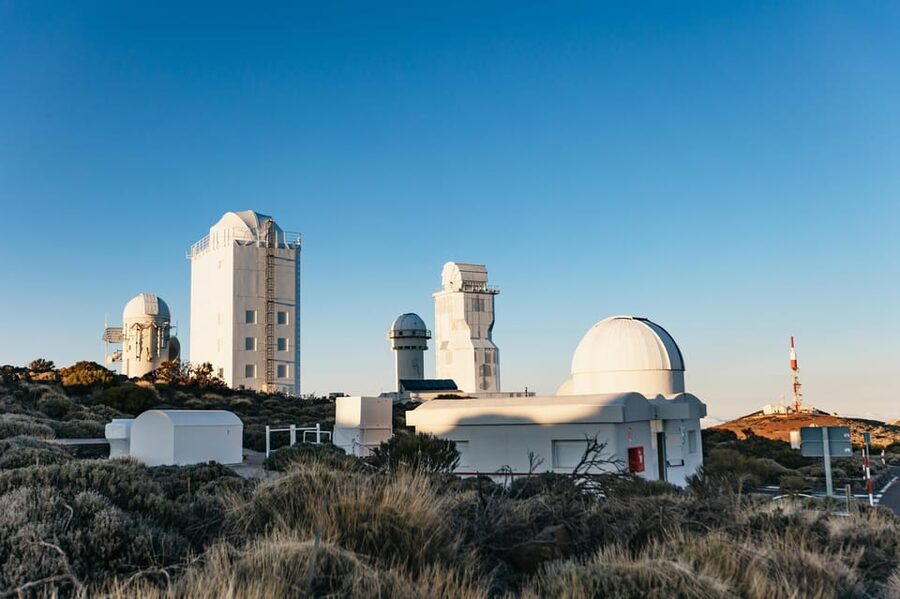
The observatory’s setting adds real value. The route up Mount Teide passes through changing scenery, and once you reach the facility, the volcanic surroundings can feel stark and otherworldly. On clear days, views can stretch from coast to coast and toward other islands.
Do not treat the setting as a simple backdrop. The altitude is one of the reasons the observatory works well, but it also affects your comfort. Oxygen levels are lower, and the tour includes walking on gravel paths. People with respiratory problems, anemia, heart conditions, or other general physical health issues are advised not to take part.
The weather can shift from bright and hot in direct sun to cold and windy in the shade. One person found the exposed position uncomfortable during a presentation, while another stressed that a jacket, hat, and gloves were necessary. Bring warm clothing even if the coast is warm when you leave your hotel.
You should also pack sunglasses and sunscreen. The sunlight at this elevation is strong, and a large part of the visit takes place outside. Comfortable clothes and sturdy walking shoes are sensible choices. On sunny days, umbrellas have sometimes been provided for shade, but I would not rely on that.
How long the 1.5-hour visit feels
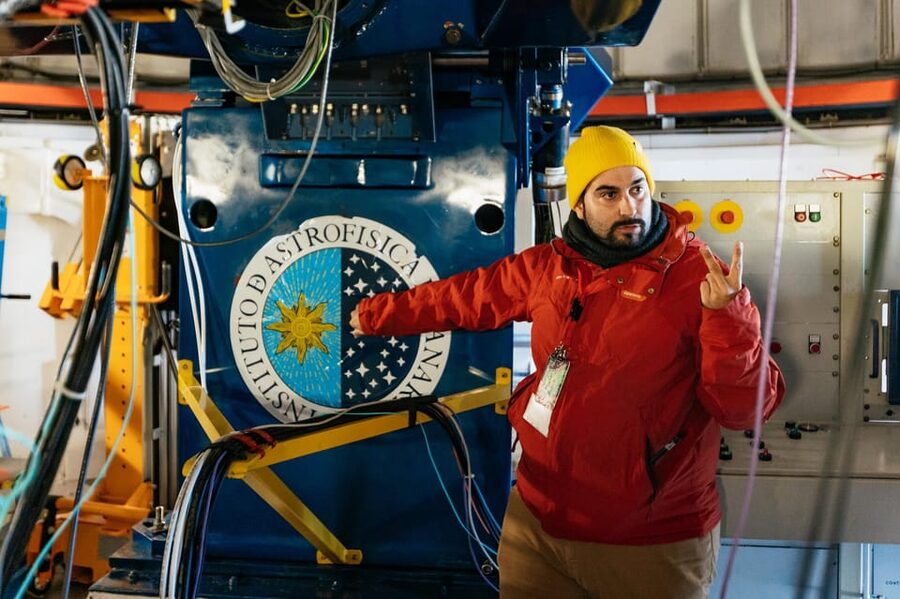
The advertised duration is 1.5 hours, which is enough time for a focused introduction, the video, guided explanations, solar viewing, and the night telescope stop. It is not long enough for a slow, unrestricted exploration of the entire observatory.
That short format works well for a day in Teide National Park. You can combine the tour with other sightseeing instead of giving up half a day. The tradeoff is that the visit can feel brief if you are deeply interested in astronomy or if your group has many questions.
There may also be limited opportunities to sit or use facilities during the route. If you arrive early, a place to sit and buy water may be available, but you should plan ahead rather than assume refreshments are part of the visit. Food and drink are not included.
The tour moves between indoor and outdoor areas, so you should be ready for both. The gravel paths and altitude can make the same 1.5 hours feel more tiring than a flat museum visit.
Price and practical value at $25
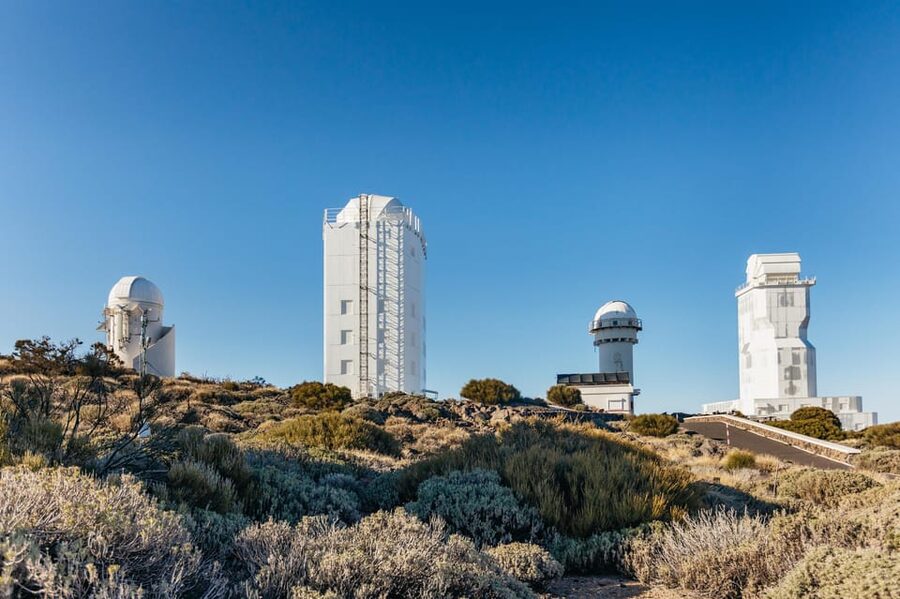
At $25 per person, this is reasonably priced for access to a major scientific facility, a live guide, two solar telescope sessions, and a professional night telescope. You are paying for interpretation and supervised equipment use, not only entry to a building.
The value is strongest if you are already visiting Mount Teide. Adding the observatory tour gives your day a clear focus and helps you understand the science behind the area. It is also a good alternative for people who are not interested in the cable car or who want something more educational than a viewpoint stop.
The value is weaker if you expect a private tour, a long look through the largest research telescopes, or a dramatic close-up of solar explosions. The standard visit is a guided introduction. It shows you selected equipment and offers controlled solar observations, but it does not promise access to every telescope or every interior space.
Transportation is not included, and the meeting point can vary with the option booked. That means you need to check the exact meeting instructions and plan your route to the mountain separately. The tour provider offers free cancellation up to 24 hours before the visit and a reserve-now, pay-later option, which can help if your Tenerife plans depend on weather or transport.
Who should book this tour
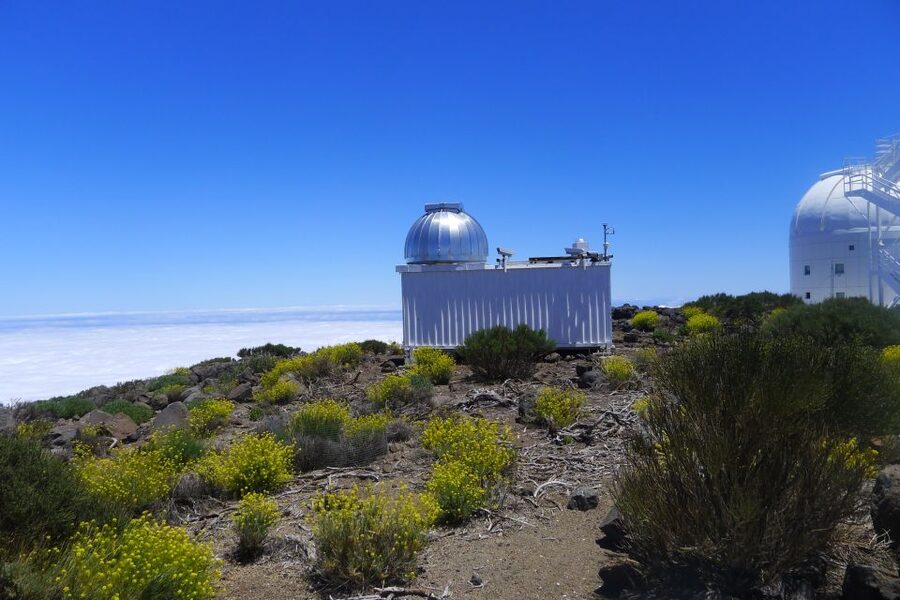
I would recommend it to anyone with even a mild interest in space, especially if you enjoy learning how things work. Families with older children can find it fascinating, but children must be at least 8 years old and their age must be confirmed with a passport or ID card.
It suits adults who want a more thoughtful Teide experience, science-minded visitors, and anyone who likes guided interpretation rather than simply taking photographs. The multilingual guide service also makes it practical for international groups.
I would be cautious if you have mobility limitations, breathing problems, or difficulty walking on gravel. The altitude is not a minor detail. You should also skip it if you are unwilling to carry warm layers and sun protection into a high mountain setting.
Tips for getting more from the visit
- Dress for two climates: Wear warm layers, but keep sunglasses and sunscreen close at hand.
- Wear proper shoes: Gravel paths are part of the route, so comfortable walking shoes are more useful than stylish holiday footwear.
- Ask questions: The guide is a major part of the experience, and the strongest guides enjoy explaining the equipment and the science.
- Expect subtle solar views: Sunspots and flares may be clear, but the image may not look like a spectacular space documentary.
- Consider a morning tour: One booking experience suggested that morning departures may offer a smaller group, though this is not guaranteed.
- Bring water: Refreshments are not included, and the mountain sun can be demanding.
- Check the meeting point: It may change according to the option you select, and you arrange transportation yourself.
Should you book the Mount Teide Observatory tour?
Book it if you want to understand what happens on Mount Teide, not just admire the volcano. The mix of clear explanations, solar viewing, professional equipment, and unusual high-altitude scenery gives you a useful look at astronomy in practice.
Skip it if you want a long, private look through the observatory’s largest instruments or a guaranteed display of dramatic solar explosions. For most curious visitors, though, $25 is a fair price for a well-guided scientific stop, especially when added to a day already spent in Teide National Park.
FAQ
How long does the Mount Teide Observatory tour last?
The tour lasts approximately 1.5 hours.
How much does the tour cost?
The listed price is $25 per person.
What can you see through the solar telescopes?
You use two solar telescopes. One is intended for viewing sunspots, and the other is used to observe solar flares.
Can you visit a night telescope during the daytime tour?
Yes. The tour includes access to a professional night telescope, where you learn how large instruments observe the night sky.
Which languages are available?
Live guides are available in English, Spanish, German, and French.
Is transportation included?
No. Transportation is not included, and the meeting point may vary depending on the option booked.
What should you bring?
Bring warm clothing, sunglasses, sunscreen, and comfortable clothes. Children must bring a passport or ID card to confirm their age.
Is the tour suitable for children?
Children under 8 years old cannot take part. The tour is also not suitable for people with mobility impairments or respiratory issues, and the altitude may be difficult for people with certain general health conditions.
Just added around Tenerife
- Tenerife: Teide Stargazing with an Astrophysicist★ 4.9 · 74 reviews
- Tenerife: Water Jet-Ski / Teide Volcano Quad Safari Combo★ 4.5 · 6 reviews
- Tenerife: Teide National Park and Volcano Buggy Tour★ 4.0 · 39 reviews
- Tenerife: Teide National Park & Teno Rural Park Private Tour★ 5.0 · 35 reviews
- Puerto de la Cruz: Quad to Mount Teide Day or Sunset★ 4.7 · 25 reviews
- Tenerife: Teide Mountain Buggy On-Road GuidedTour with drink★ 4.6 · 67 reviews
- Tenerife: Teide & Orotava Shore Excursion (special cruises)★ 4.7 · 19 reviews
- Tenerife: Teide and Stars★ 4.2 · 24 reviews
Mount Teide Tours, compared.
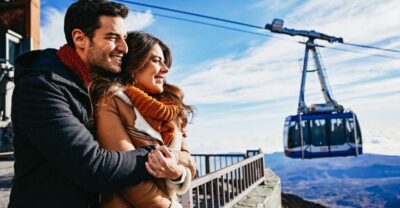
Mount Teide Tour with Cable Car Ticket & Transfer
Our review of it →
Teide National Park Sunset & Stargazing Tour
Our review of it →
Sunset and Stargazing at Teide National Park
Our review of it →
Teide National Park Sunset & Stargazing with Dinner (Star Safari)
Our review of it →
Teide National Park: Sunset & Stargazing Safari with Dinner
Our review of it →
Mount Teide, Masca, Icod and Garachico Day Trip
Our review of it →
Teide National Park Full-Day Tour with Pickup
Our review of it →
Browse the lists this tour appears in