
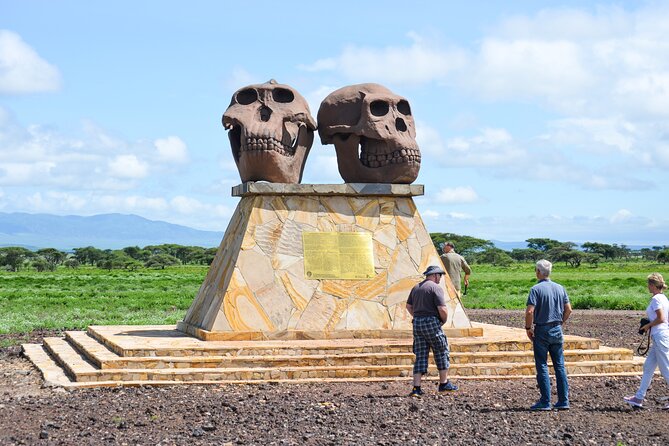
REVIEW · ARUSHA
6 Days lodge &camping tour Serengeti ,Tarangire ,Ngorongoro Crater and Manyara
The big four parks fit one remarkable route. This six-day safari links Tarangire, Serengeti, Ngorongoro Crater, and Lake Manyara in a compact northern Tanzania circuit, with game drives, camping, and lodge accommodation. I like the strong mix of habitats and the small group limit of six, which should make long drives and wildlife stops easier to manage. The main drawback is the pace: you cover a lot of ground, and several days include roughly six to ten hours on the road or in the parks.
The price is $1,600 per person, with pickup from Arusha and a mobile ticket. That is a serious sum, but it covers access to four of Tanzania’s best-known wildlife areas in one organized trip. I would pay close attention to the final accommodation plan, since the description refers to both campsites and lodges, and confirm exactly which nights are spent in each.
Six useful facts before you book
- Tarangire begins the safari with elephants and baobabs, plus more than 400 recorded bird species.
- The Serengeti receives the longest wildlife focus, including an early morning game drive and a full day in the Seronera area.
- Ngorongoro Crater is visited twice in practical terms, first from the rim and later from the crater floor.
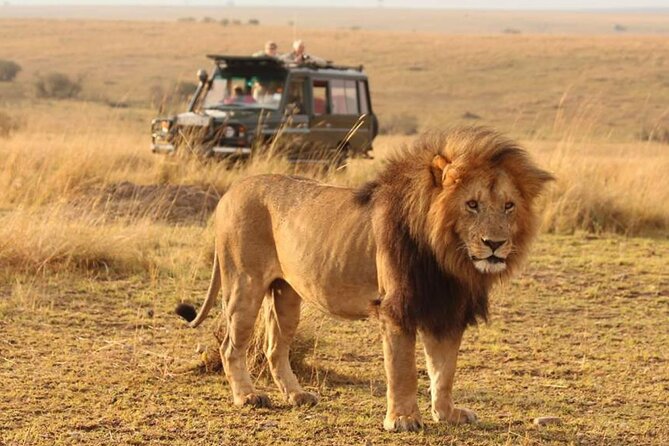
- Lake Manyara finishes the route, with forest, hot springs, wetlands, flamingos, baboons, and possible tree-climbing lions.
- The group is limited to six people, a useful balance between shared cost and personal space.
- The schedule is active, with early starts, packed meals, long drives, and camping mixed with lodge stays.
What the six-day route really feels like
This is not a slow, single-park safari. It is a greatest-hits route through northern Tanzania, designed to show you a wide range of animals and scenery in six days.
You begin and end in the Arusha area, with pickup offered. The trip is built around a safari vehicle, park entry formalities, game drives, and nights at campsites or lodges. The plan allows you to see the region’s most famous parks without arranging separate transfers or permits yourself.
The tradeoff is time. You will spend many hours moving between parks, especially on the second and fourth days. That is normal in northern Tanzania, but you should be comfortable with early breakfasts, packed food, dust, bumps, and long stretches in the vehicle.
A maximum of six people makes a real difference. You have a better chance of getting a window seat and more room for binoculars, cameras, and day bags than you would in a larger group. It also means the guide can usually hear your questions and respond to individual interests more easily.
More Ngorongoro Crater Safaris in Arusha:
- 5-Day Highlights mid-Range Crater, Serengeti, Tarangire
★ 5.0 · 296 reviews - Private 6-Day Tarangire Manyara Crater and Serengeti with Mid-Range Lodges
★ 5.0 · 238 reviews - 5 Days Camping Tarangire, Serengeti & Ngorongoro crater & Visiting Maasai
★ 5.0 · 229 reviews
Day 1: Tarangire begins with elephants and baobabs
After breakfast, the route starts with a stop at a supermarket in Arusha. This is a small but useful touch. You can pick up any last-minute items before leaving town, such as snacks or personal supplies.
The drive follows the Great Northern Highway across the Maasai Steppe and through villages before reaching Tarangire National Park. That road journey gives you an early look at daily life outside the parks, though it also means the first day includes a fair amount of driving.
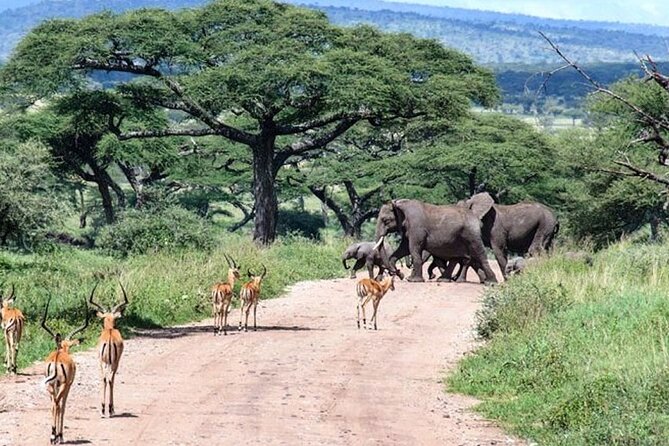
Tarangire is an excellent opening park because its character is easy to recognize. Huge baobab trees rise above the open ground, and the park is particularly known for its large elephant population. You may also see wildebeest, buffalo, zebra, giraffe, hippos, baboons, and several types of antelope.
Birdwatchers have good reason to pay attention here. More than 400 bird species have been recorded in the park, including the ash starling. The itinerary also points to the possibility of Great Kudu, an animal that can be difficult to spot and is a special sight when it appears.
The planned game drive lasts about six hours. That is enough time for a useful first look without making the day feel endless, though the exact amount of wildlife activity will depend on conditions and timing. Tarangire is especially appealing if elephants and unusual trees rank high on your list.
Day 2: Crossing the crater rim into the Serengeti
The second day is one of the route’s longest and most scenic transfers. After breakfast at camp, you travel through the high farmland around Karatu and enter the Ngorongoro Conservation Area.
At the Ngorongoro gate, the group completes the entry process before continuing toward the crater viewpoint. This is a smart stop, since it lets you see the crater from above before heading farther west. The view from the rim gives you a sense of the enormous enclosed bowl below, and it makes the next day’s descent easier to understand.
The route then follows the crater rim, crosses the Malanja Depression, and continues toward the Serengeti. At Naabi Hill Gate, you can eat your packed lunch either there or near the rocky kopjes. These isolated rock formations are classic Serengeti features and often provide a welcome pause after the morning drive.
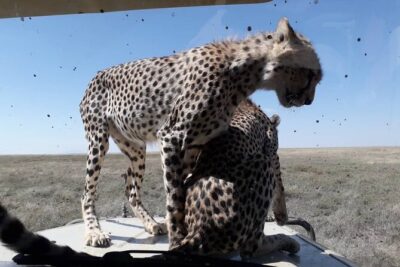
The central Serengeti, known as the Seronera area, is the main destination. This part of the park is known for a high concentration of animals, and the route gives you time to begin searching for lions, cheetahs, leopards, elephants, giraffes, buffalo, and other wildlife.
The day is listed at about six hours, but the distance between parks can make it feel longer when stops and formalities are included. You should treat this as both a transfer and a game drive rather than a relaxed day at one location.
Day 3: An early Serengeti start for predators
Day three is the safari’s most dedicated wildlife day. You leave as early as 6:30 a.m. with packed breakfast and lunch boxes for a long game drive across the Serengeti plains.
The early departure has a clear purpose. Morning light can be good for seeing big cats, and nocturnal predators may still be returning from a night of hunting. Lionesses may be organizing an ambush, while other animals may be resting after feeding.
Breakfast is taken in the bush after the first part of the drive. That makes the meal part of the outing rather than a break that takes you away from the park. It also helps you use the cooler morning hours, when wildlife can be more active.
The Serengeti is the setting for the Great Wildebeest Migration, but the timing matters. You may see large herds if your dates match the migration’s location, but no itinerary can guarantee that the animals will be in the central Serengeti during your visit. Even outside the migration, the park offers year-round wildlife viewing.
The day’s plan allows about ten hours, making it the fullest and most demanding day of the trip. That is good news if you want maximum time in the park. It is less appealing if you prefer a loose schedule or find long vehicle days tiring.
The itinerary specifically raises the possibility of seeing animals eating, fighting, and hunting. Those moments cannot be promised, but a full day gives you more chances than a short drive. Your guide’s skill matters greatly here. The company has received repeated praise for guides named Elias, Hassan, and Sam on its wider safari programs, with special attention given to Elias for his driving, patience, and friendly manner. You should ask who will guide your particular departure rather than assume one of these names will be assigned.
A few more volcano trips around Arusha worth a look
Day 4: Leaving the Serengeti for the crater rim
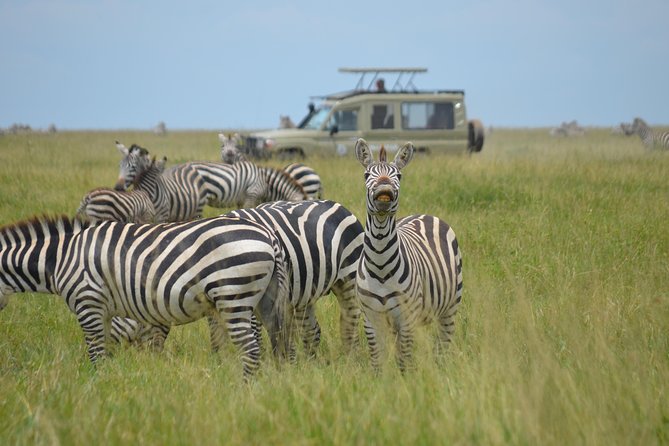
After an early breakfast, you continue game viewing in the Serengeti before beginning the return route. The plan includes wildlife watching until the afternoon, followed by lunch, packing, and a game drive as you exit the park.
The drive to Simba Campsite near the Ngorongoro rim takes about two hours once you are leaving the Serengeti. This part of the day is less about collecting new park sightings and more about repositioning for the next morning.
That positioning is valuable. Staying near the crater rim means you do not have to make the entire trip from the Serengeti before descending into the crater. It gives you a better chance of reaching the crater floor early, when the day is cooler and the viewing schedule is fresh.
Still, day four can feel like a transition day. If you are hoping for nonstop wildlife action, the combination of packing, driving, and changing camp may seem less exciting. I would use the evening to prepare your camera, water, warm layer, and day bag for the early crater descent.
Day 5: Down into Ngorongoro Crater
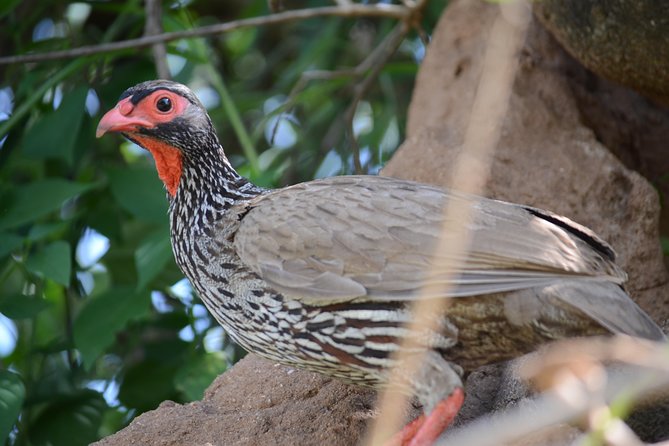
The crater day begins at about 6:30 a.m. After breakfast at camp, you descend more than 600 meters through the crater walls to the floor.
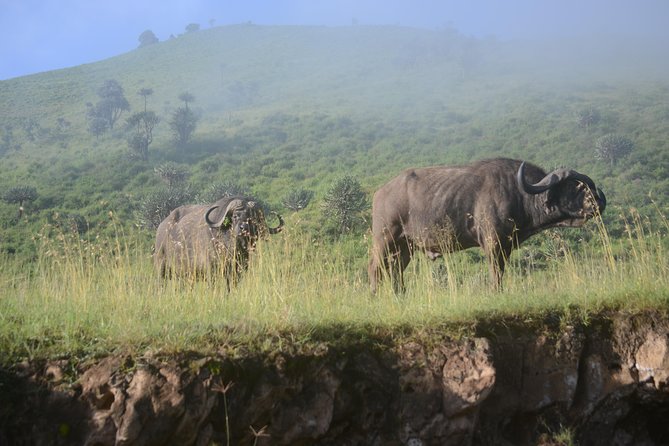
Ngorongoro Crater is unusual because the enclosed setting supports a high number of animals in a relatively compact area. The crater formed around three million years ago after internal forces affected the earth’s crust. Water and grazing areas help support buffalo, zebra, wildebeest, eland, topi, warthog, hippo, and elephant.
Predators are one of the crater’s major attractions. You may find lions and other carnivores among the grazing herds, though sightings always depend on the day. The crater’s enclosed shape can make wildlife viewing feel concentrated compared with the wide-open Serengeti.
The six-hour plan gives you a substantial crater visit without adding another late finish to an already active trip. The descent and ascent are part of the experience, but roads can be uneven and conditions may change. Anyone who dislikes winding drives or bumpy routes should keep that in mind.
This is also a day when the distinction between a park visit and a scenic viewpoint becomes clear. You are not only looking across the crater from above. You spend time on the floor, among the habitats that make the crater important.
Day 6: Lake Manyara closes the circuit
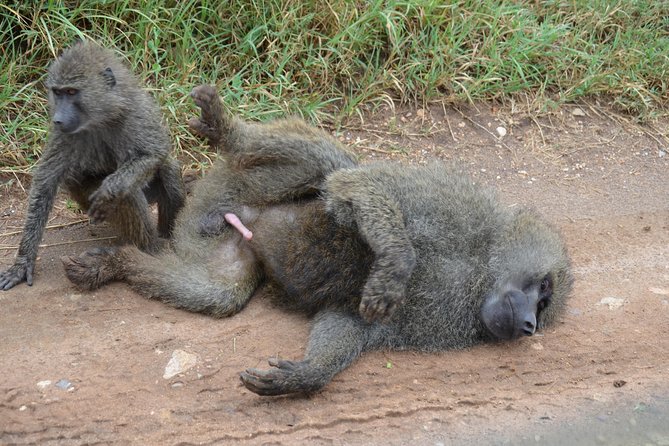
The final morning brings a short drive to Lake Manyara National Park. After completing the park formalities, you begin a game drive through a surprisingly varied area.
Lake Manyara includes groundwater forest, acacia woodland, swamps, baobab-covered cliffs, algae-streaked hot springs, and the lake itself. That variety is the park’s strength. It offers a change from the broad grasslands of the Serengeti and the enclosed basin of Ngorongoro.
The park is known for large baboon groups and excellent birdlife. You may also see flamingos around the lake and, with luck, the famous tree-climbing lions. The description also points to other mammals, but the full list is not fixed, so it is best to treat every sighting as a possibility rather than a promise.
A six-hour game drive is a sensible length for the final day. By then, you will have spent several mornings getting up early and many hours in the vehicle. Lake Manyara gives you one last substantial wildlife outing without extending the trip into another long overnight route.
Camping, lodges, and the practical side of the trip
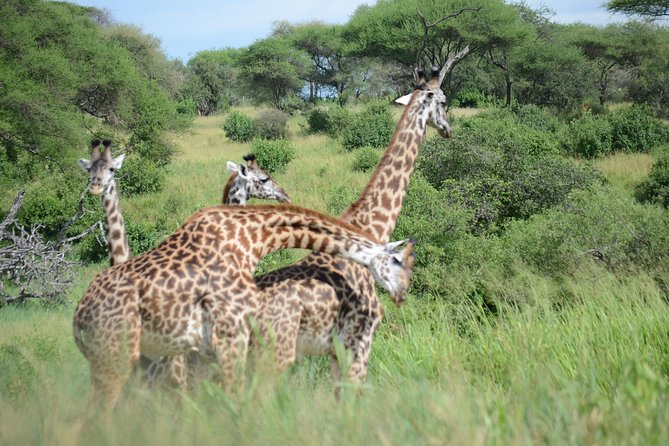
The tour is presented as a camping safari with lodge accommodation included for two nights. The supplied plan does not name the properties or clearly assign every night, so I would ask for a written accommodation schedule before paying.
That detail matters because camping can mean different things. You may be staying at a public campsite with basic facilities or at a more developed site, but the information provided does not specify which. Ask about sleeping arrangements, bathrooms, meals, bedding, and whether tents are already set up.
The lodge nights may provide a useful break from camp life, especially after the long Serengeti day. Still, do not assume a fixed comfort level until the exact properties are confirmed.
Meals also deserve a quick check. The itinerary specifically includes packed breakfast and lunch boxes on day three, while other days mention breakfast and lunch at camp or during the route. Ask what is included each day and tell the operator about dietary needs in advance.
Is $1,600 good value?
At $1,600 per person, this is not a budget outing in absolute terms. It is, however, a substantial amount of safari for six days: four major parks, park entry, organized transport, game drives, camping and lodge arrangements, and pickup from Arusha.
The value is strongest if you want variety. You see elephant country in Tarangire, open plains in the Serengeti, a crater sanctuary at Ngorongoro, and wetlands and forest at Manyara. Arranging that route independently would require more planning and careful coordination.
The price is less attractive if you want slow travel in one park or high-end accommodation every night. This is a shared, active safari with long driving days and a mix of camping and lodging. Its appeal lies in access and route planning, not in a luxury camp or private fly-in schedule.
The maximum group size of six helps protect the value. You get the cost advantages of a shared trip without being placed in a large vehicle full of people. Confirm whether six is the total group size or the maximum in addition to your own party.
Who should book this safari?
I would recommend it to first-time visitors who want to see the best-known northern Tanzania parks in one trip. It also suits families and small groups who want a planned route, provided everyone can handle early mornings and long drives.
The tour may work well for people who want a mix of wildlife rather than one narrow focus. Birdwatchers should pay special attention to Tarangire and Manyara, while big-cat fans will likely value the long Serengeti day and the predator potential in Ngorongoro.
I would be more cautious if you need a gentle pace, guaranteed luxury lodging, or detailed certainty about every accommodation before departure. Ask those questions first. The company has earned strong praise for organization, personal service, and guides such as Elias, but the guide and exact lodging for your departure should be confirmed directly.
The tour allows free cancellation up to 24 hours before the start time for a full refund. Cancellations or changes within 24 hours are not refunded or accepted, and poor weather may lead to a different date or a full refund.
Should you book the six-day northern Tanzania route?
Book it if you want a broad introduction to northern Tanzania and accept that the schedule will be busy. The route gives you elephants, baobabs, the Serengeti plains, a crater descent, flamingos, baboons, and four distinct park settings for one organized price.
I would book only after confirming the accommodation list, meals, guide assignment, and exact pickup details. If those match your expectations, this is a practical way to see a lot in six days, with a small group and a strong chance of memorable wildlife encounters.
FAQ
Where does the safari start?
The tour is based in Arusha, Tanzania, and pickup is offered.
How long does the safari last?
The safari lasts six days.
Which parks and protected areas are included?
The route includes Tarangire National Park, Serengeti National Park, Ngorongoro Conservation Area and Crater, and Lake Manyara National Park.
How many people can join the tour?
The maximum group size is six people.
Is accommodation camping or lodge based?
The tour is described as a camping safari with lodge accommodation for two nights. The exact nights and properties are not specified in the provided details, so confirm them before booking.
What animals might I see?
Possible sightings include elephant, wildebeest, buffalo, zebra, giraffe, hippo, baboon, antelope, lion, and other predators. Tarangire has more than 400 recorded bird species, while Lake Manyara is known for baboons, flamingos, and possible tree-climbing lions.
What is the cancellation policy?
You can cancel at least 24 hours before the start time for a full refund. Cancellations or changes made less than 24 hours before the start time are not accepted and are not refunded. If poor weather cancels the tour, you will be offered another date or a full refund.
Just added around Arusha
- 3 Days Safari to Tarangire NP, Ngorongoro Crater and Lake Manyara NP★ 5.0 · 2 reviews
- 4 Days Tanzania Safari Tarangire, Serengeti and Ngorongoro Crater★ 4.5 · 16 reviews
- Manyara and Ngorongoro Crater★ 5.0 · 3 reviews
- Small Group Serengeti and Ngorongoro Crater Adventure Safari★ 5.0 · 7 reviews
- Tanzania Safari 10 Days- Serengeti, Lake Manyara, Ngorongoro Crater.★ 5.0 · 4 reviews
- 3Days luxury safari to Tarangire Ngorongoro crater and Manyara★ 5.0 · 16 reviews
- 03 days Serengeti and Ngorongoro Crater group (camping)★ 5.0 · 75 reviews
- Elephant Special Serengeti & Ngorongoro Crater 5 Days / 4 Nights★ 5.0 · 21 reviews
Ngorongoro Crater Safaris, compared.
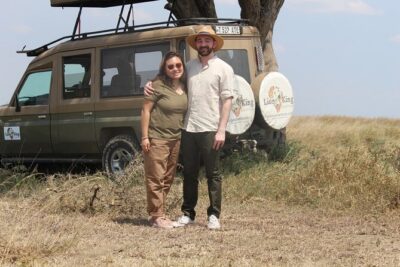
5-Day Highlights mid-Range Crater, Serengeti, Tarangire
Our review of it →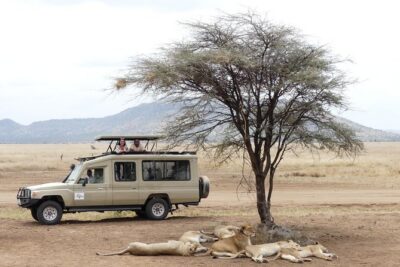
Private 6-Day Tarangire Manyara Crater and Serengeti with Mid-Range Lodges
Our review of it →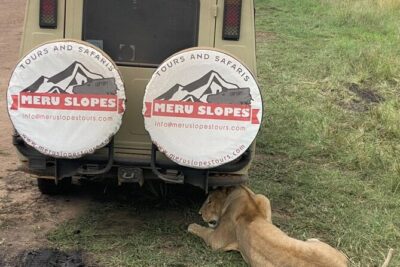
5 Days Camping Tarangire, Serengeti & Ngorongoro crater & Visiting Maasai
Our review of it →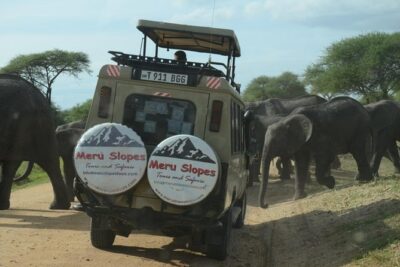
4 Days Join Group tour Tarangire Serengeti and Ngorongoro crater
Our review of it →3 Day Serengeti National Park & Ngorongoro Crater Camping Safari
Our review of it →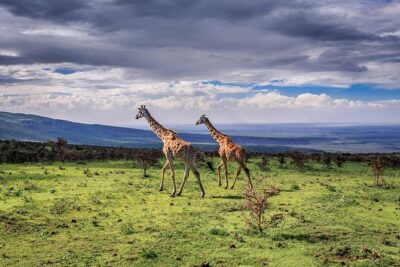
5 Days Tanzania Group Joining Safari, Tarangire/Serengeti/Ngorongoro Crater
Our review of it →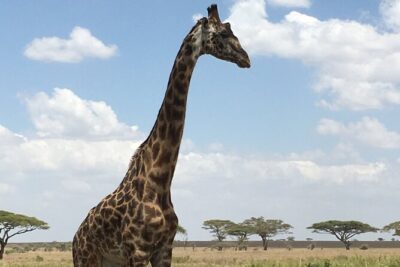
5 day safari Tarangire Serengeti and Ngorongoro crater
Our review of it →Browse the lists this tour appears in