
REVIEW · ARUSHA
5 days Tarangire Serengeti and Ngorongoro Crater Tanzania
Big cats are the headline, but timing is the real story. This five-day Tanzania safari gives you a focused route through Serengeti National Park and Ngorongoro Crater, with the Ndutu area as its main target for wildebeest, zebras, cheetahs, and other plains animals. I like the full day set aside for migration viewing, and I like that meals, drinks, permits, pickup, and a professional guide are included rather than added one by one.
The main trade-off is the pace. You cover long distances in only five days, and the itinerary does not actually include a stop in Tarangire despite the tour title. You should also confirm the pickup time, since the details mention both 7:00 am and 8:00 am.
Key things to know before booking
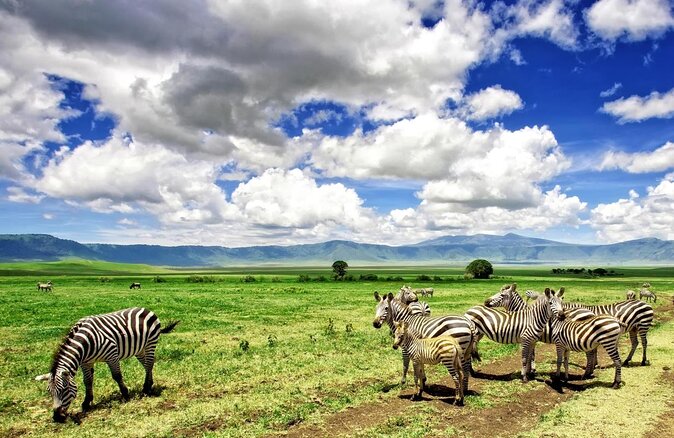
- Ndutu gets a full day: The second day focuses on the southern Serengeti, where cheetahs, lions, gazelles, wildebeest, and zebras may be found.
- Ngorongoro is a major highlight: A full crater game drive includes a picnic at Ngoitokitok Springs, with hippos nearby.
- The safari includes meals: Breakfast, lunch, dinner, drinking water, and soft drinks are provided during the five-day program.
- The group can reach nine people: That is small enough for a more personal vehicle experience, though not a private safari.
- Three guide languages are offered: The professional guide can speak English, Spanish, and French.
- The route is demanding: Long drives and early starts make this better for active safari seekers than for anyone wanting a slow lodge holiday.
Why this five-day route works
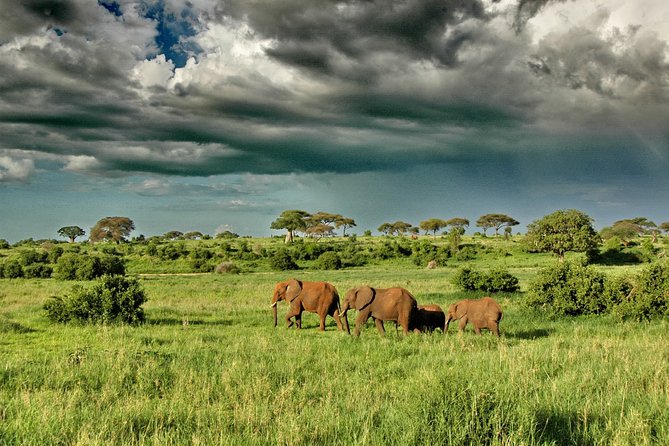
This program is built for a tight schedule. You begin in Arusha, cross toward the Ngorongoro area, continue to the Serengeti, spend two nights focused on wildlife, then return through Ngorongoro Crater before heading back to Arusha.
That is a lot of ground in a short time, but the route puts the best wildlife hours in useful places. You get a full day around Ndutu, an early morning drive for hunting activity and sunrise light, and a separate day inside Ngorongoro Crater. For someone with limited holiday time, those are strong priorities.
I especially like that the itinerary does not treat the Serengeti as a quick drive-through. Days two and three both include game drives, but they have different purposes. One follows the migration area through the day. The other begins early, returns to camp around 11:00 am, allows time to rest, and then goes back out in the afternoon.
The catch is that wildlife never follows a timetable. The program gives you a strong chance of seeing migration-related activity, but no safari can promise a particular herd, crossing, hunt, or animal. The Ndutu focus is sensible, yet conditions and animal movements still decide what you actually see.
More Ngorongoro Crater Safaris in Arusha:
- 5-Day Highlights mid-Range Crater, Serengeti, Tarangire
★ 5.0 · 296 reviews - Private 6-Day Tarangire Manyara Crater and Serengeti with Mid-Range Lodges
★ 5.0 · 238 reviews - 5 Days Camping Tarangire, Serengeti & Ngorongoro crater & Visiting Maasai
★ 5.0 · 229 reviews
Day 1: Arusha to the Serengeti through Ngorongoro
After breakfast, pickup is planned from your accommodation in Arusha. The route heads southwest through Maasai steppe country and toward the Great Rift Valley before reaching the Ngorongoro gate for permit processing.
This first day is mainly about getting into the national park. You should expect a long road day, listed at roughly six hours, followed by game viewing on the way to camp or lodge. A picnic lunch is provided, which keeps the schedule moving instead of sending you back to a restaurant.
The optional Olduvai Gorge stop is a useful choice if you want more than animals. It adds a cultural and archaeological angle to the journey, but it may also make an already full day feel longer. Ask about the extra cost and timing before you agree to it, since the information supplied does not state whether the optional visit carries an additional fee.
One practical point needs clearing up before departure. The meeting information gives a 7:00 am start, while the day-one plan says pickup at 8:00 am. That one-hour difference matters when you are arranging breakfast, airport arrival, or a hotel checkout.
The first game drive begins en route to camp or lodge. You may see animals before reaching your overnight stop, but the bigger value of this day is position. By evening, you are in the Serengeti and ready for a full wildlife day rather than spending your first morning on the road.
Day 2: A full day around Ndutu
Day two is the heart of the migration plan. You spend the full day around the southern Serengeti and Ndutu area, following the movement of wildebeest and zebras across the plains.
Ndutu is also highlighted for its cheetahs and other large cats. Thomson’s gazelles and Grant’s gazelles add plenty of smaller movement to the scene, while the wider plains may bring chances to see a broad mix of animals.
I like the decision to give this area a complete day. A short stop can leave you feeling rushed, especially when animals are spread out. A full day gives your guide time to search, pause, and respond to what is happening around you.
Still, this is not a guarantee of a migration spectacle. The program is aimed at improving your chances, not promising a fixed location for the herds. Ask the operator what recent conditions are like when you book, particularly if the migration is your main reason for going.
The day is listed as about six hours, but the wording describes a full day of following wildlife. Confirm the actual drive and viewing schedule, as safari days often feel longer when you are out looking for animals. You will want sun protection, water, and patience.
Day 3: Sunrise, hunting activity, and a slower afternoon
The third day begins early with a packed breakfast. That start is designed for the best light over the Serengeti plains and for watching predators at a time when hunting activity may be taking place.
You return to camp around 11:00 am for lunch and free time. This break is valuable. Two or three continuous days in a safari vehicle can be tiring, and a midday pause gives you a chance to rest before going out again later.
The afternoon game drive gives the day a good rhythm. Morning and afternoon viewing can feel quite different, and the change in light makes the same area seem new. You might see more grazing animals, predators resting, or fresh movement after the heat of the day changes.
This is one of the better planned days in the program because it does not treat every hour as a race. The early start may be tough, but the return to camp protects you from spending the entire day in the vehicle.
A few more volcano trips around Arusha worth a look
- 5 Days Tanzania Group Joining Safari, Tarangire/Serengeti/Ngorongoro Crater
★ 5.0 · 85 reviews - 5 day safari Tarangire Serengeti and Ngorongoro crater
★ 5.0 · 83 reviews - 5 Day Silver Serengeti & Ngorongoro Crater & Tarangire Safari
★ 5.0 · 46 reviews - 5days Tanzania Safari lodge and camping Serengeti, Tarangire & Ngorongoro Crater
★ 5.0 · 31 reviews
Day 4: Inside Ngorongoro Crater
After breakfast, you leave the Serengeti with a picnic lunch and head to Ngorongoro Crater. The crater is a World Heritage Site and is described as home to nearly 25,000 animals, with habitats that include open areas, wetlands, and other distinct settings.
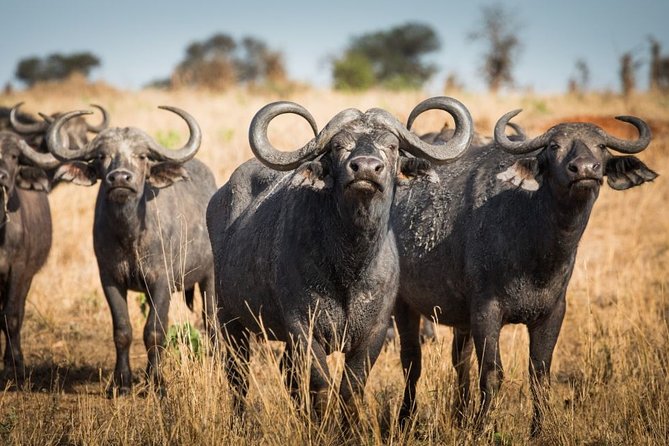
The main appeal is concentration. The crater offers a strong chance to see several major African animals in one day, including lion, elephant, black rhino, and buffalo. There are no guarantees, especially with the endangered black rhino, but the itinerary gives you several hours to search.
The Ngoitokitok Springs picnic stop adds a welcome pause. You can stretch your legs, eat lunch, and watch hippos jostle for room in the water. That is a more memorable lunch setting than a standard roadside stop, though you should follow the guide’s instructions closely around wildlife.
After lunch, you continue with shorter game drives before leaving the crater for the lodge. This day is listed at about six hours, though the crater drive, lunch stop, and transfer afterward can make it feel full.
There is a clear contrast between the Serengeti and Ngorongoro portions of the safari. The Serengeti offers wide-ranging searches and migration tracking. The crater provides a compact wildlife setting with varied habitats close together. Having both in one short trip gives you a better range of experiences than spending all five days in one place.
Day 5: Return to Arusha and the airport
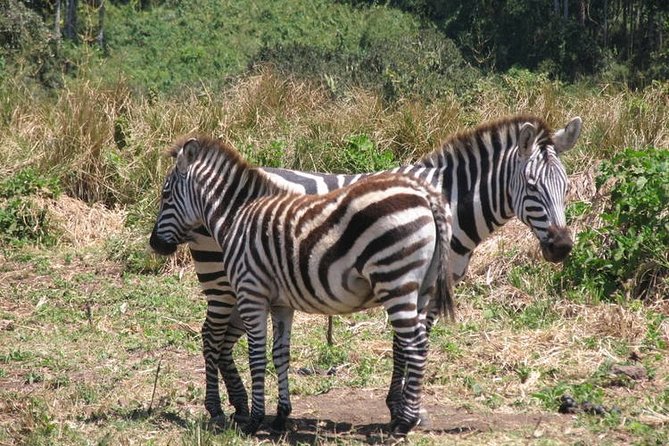
The final morning is intentionally easy. You have breakfast at the lodge, then depart for Arusha, stopping for lunch at a restaurant before being dropped at Arusha Airport or Kilimanjaro International Airport.
This is useful if you want a safari that connects with a flight, but you should not book a tight same-day international connection without confirming the road timing. The transfer is listed as about six hours, and road conditions, stops, and the exact airport can affect your arrival time.
The end point is back at the original meeting point, with airport drop-off included in the stated plan. Confirm the final drop-off location when arranging your flight, especially if you are using Arusha Airport rather than Kilimanjaro International Airport.
What the $1,250 price includes
At $1,250 per person, the value depends on what you want from a short safari. The price includes all fees and taxes, accommodation-related meals, drinking water, soft drinks, and a professional driver-guide. Breakfast, lunch, and dinner are listed for all five days.
That bundled price makes planning easier. You are not constantly calculating park costs, meals, or basic drinks while moving between areas. It also reduces the chance of a low headline price becoming much higher after essential additions.
The group size is capped at nine people. This is not the same as booking a private vehicle, but it is more manageable than a large coach. Ask how many people are actually expected on your departure, because the maximum is not necessarily the usual group size.
The price does not include visas, international flights, travel insurance, or tips for the driver-guide and safari cook. You should set aside money for those items before comparing this safari with other options.
Dietary requirements can be requested. Tell the operator early, rather than waiting until the first meal. The supplied details do not specify the type of vehicle, accommodation category, or room arrangement, so ask about those points if comfort matters as much as wildlife.
Guides, group size, and the human side
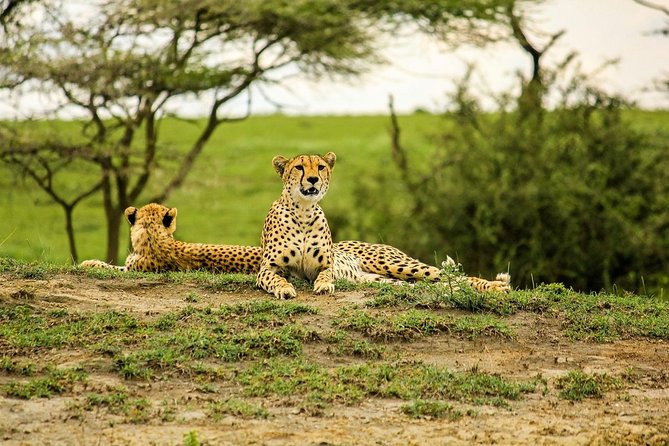
The guide is central to a safari. The operator provides a professional guide who can speak English, Spanish, and French, which is helpful for mixed-language groups.
Two guide names connected with positive experiences are John and Latipher. John was praised for being friendly, while Latipher was described as vigilant from the first part of the journey through the airport drop-off. Those details suggest an emphasis on personal attention, but your assigned guide may be someone else.
The group limit of nine also matters for communication. You can ask questions, request more time at a sighting, and hear explanations without the distance you might have in a much larger group. On the other hand, a shared vehicle means you may need to compromise if other people want to leave a sighting or take a different route.
The operator has an overall five-star rating from two submitted ratings. That is encouraging, but it is also a small sample. I would treat it as a positive signal rather than proof that every departure will be identical.
Comfort, timing, and what to pack
This is a safari for people who can handle early starts, long drives, and changing plans. The program includes several days of about six hours, plus road transfers between Arusha, Ngorongoro, Serengeti, and back to Arusha.
Pack light but useful:
- Sun protection for open vehicle time
- Comfortable clothing for warm days and early mornings
- A refillable water bottle, even though drinking water is supplied
- A small bag for packed breakfast and picnic lunch days
- Any medication or personal supplies you need during long drives
The itinerary includes pickup and a mobile ticket. Confirmation is provided at booking, and the activity is near public transportation. Most people can participate, according to the supplied information, but the long drives and early morning start are still worth considering honestly.
The free cancellation rule is simple: cancel at least 24 hours before the local start time for a full refund. Cancellations or changes inside that period are not refunded or accepted.
Who should book this safari?
I would choose this program if you have five days, want the Serengeti and Ngorongoro, and care most about wildlife rather than a leisurely lodge schedule. It is especially suited to solo visitors or small groups who want a guide, included meals, and airport transfer in one package.
It may also suit you if migration viewing is your priority but you cannot spend a week or more in the Serengeti. The Ndutu focus and full-day schedule give you a sensible chance to find herds and predators.
I would hesitate if Tarangire is essential to your plans. Despite the tour title, the provided five-day route describes Serengeti, Ngorongoro Crater, and Arusha, not a Tarangire visit. Ask the operator to confirm the exact route before paying.
Should you book the five-day safari?
Book it if you want a focused, wildlife-heavy trip with a strong Serengeti core and a full Ngorongoro Crater day. The inclusion of meals, drinks, fees, guide service, and airport transfer gives the $1,250 price practical value, especially for a first safari.
Before booking, confirm four things: the actual pickup time, the accommodation standard, the number of people in your vehicle, and whether Tarangire is included or only part of the title. If those details match your expectations, this is a compact and sensible way to reach two of northern Tanzania’s best-known wildlife areas.
FAQ
Where does the safari start?
The safari starts in Arusha, Tanzania, with pickup offered from your place.
Where does the safari end?
The activity ends back at the meeting point, with the itinerary also offering drop-off at Arusha Airport or Kilimanjaro International Airport.
How long is the safari?
The program lasts approximately five days.
What time does the safari begin?
The meeting information states a 7:00 am start, while the first day says pickup will be at 8:00 am. Confirm the exact time with the operator.
How many people can join the tour?
The maximum group size is nine people.
Which languages can the guide speak?
The professional driver-guide can speak English, Spanish, and French.
Are meals included?
Yes. Breakfast, lunch, and dinner are listed for all five days. Drinking water and soft drinks are also included.
What is not included in the price?
Visas, international flights, travel insurance, and tips for the driver-guide and safari cook are not included.
Just added around Arusha
- 3 Days Safari to Tarangire NP, Ngorongoro Crater and Lake Manyara NP★ 5.0 · 2 reviews
- 4 Days Tanzania Safari Tarangire, Serengeti and Ngorongoro Crater★ 4.5 · 16 reviews
- Manyara and Ngorongoro Crater★ 5.0 · 3 reviews
- Small Group Serengeti and Ngorongoro Crater Adventure Safari★ 5.0 · 7 reviews
- Tanzania Safari 10 Days- Serengeti, Lake Manyara, Ngorongoro Crater.★ 5.0 · 4 reviews
- 3Days luxury safari to Tarangire Ngorongoro crater and Manyara★ 5.0 · 16 reviews
- 03 days Serengeti and Ngorongoro Crater group (camping)★ 5.0 · 75 reviews
- Elephant Special Serengeti & Ngorongoro Crater 5 Days / 4 Nights★ 5.0 · 21 reviews
Ngorongoro Crater Safaris, compared.
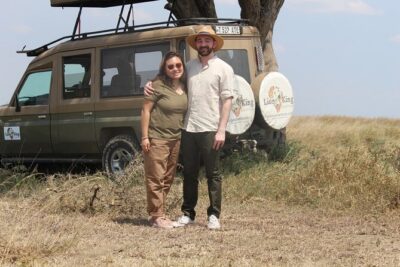
5-Day Highlights mid-Range Crater, Serengeti, Tarangire
Our review of it →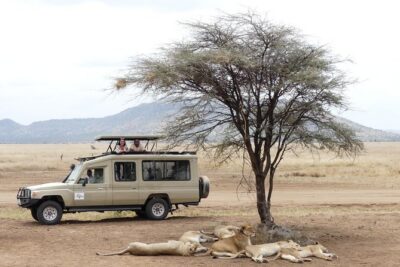
Private 6-Day Tarangire Manyara Crater and Serengeti with Mid-Range Lodges
Our review of it →
5 Days Camping Tarangire, Serengeti & Ngorongoro crater & Visiting Maasai
Our review of it →
4 Days Join Group tour Tarangire Serengeti and Ngorongoro crater
Our review of it →3 Day Serengeti National Park & Ngorongoro Crater Camping Safari
Our review of it →
5 Days Tanzania Group Joining Safari, Tarangire/Serengeti/Ngorongoro Crater
Our review of it →
5 day safari Tarangire Serengeti and Ngorongoro crater
Our review of it →Browse the lists this tour appears in