
REVIEW · ARUSHA
3 Day: Tarangire, Ngorongoro Crater and Lake Manyara N.P
Three parks, three very different views. This compact Tanzania safari gives you a strong taste of the Northern safari circuit in just three days: elephant country in Tarangire, the wildlife-packed Ngorongoro Crater, and the forested shores of Lake Manyara. I especially like the route’s variety and the included meals, park fees, guide, and 4×4 vehicle.
I also like the practical pickup and drop-off service in Arusha, plus airport transfers at no extra charge. The main drawback is the pace: each day is about seven hours, and the program leaves little room for delays or a slow morning. You should also confirm the exact accommodation before paying, since the supplied details name overnight stays but do not identify the lodges or camps.
Key points to know before booking
- Tarangire is the elephant highlight: Ancient baobabs, a wildlife-filled river, and some of Tanzania’s largest elephant concentrations create the most distinctive opening day.
- Ngorongoro Crater brings high wildlife density: The enclosed crater includes plains, forest, swamps, a soda lake, and a chance to see the rare black rhino.
- Lake Manyara changes the scenery: Expect acacia woodland, giant figs, mahogany trees, monkeys, baboons, and lake views rather than a repeat of Tarangire.
- The safari uses a 4×4 with a pop-up roof: The vehicle has six window seats, giving each person a better chance to look out during game drives.
- The price covers most major trip costs: At $2,116 per person, meals, taxes, park fees, guide service, and transport are included, but flights, visas, insurance, personal items, and tips are not.
- The schedule is fast but useful: You spend one night around Tarangire, one night near Ngorongoro, then return to Arusha after Lake Manyara.
Why this three-day route works
If you have only three days, this route makes a sensible choice. You see three famous parks instead of spending the whole trip in one area, and each park offers a different setting. Tarangire brings baobabs and elephants. Ngorongoro gives you a compact wildlife area surrounded by steep crater walls. Lake Manyara adds woodland, monkeys, birds, and a Great Rift Valley setting.
That variety matters. A short safari can feel repetitive if every game drive takes place on the same open plain. Here, you move from dry-looking baobab country to the crater floor and then into a greener park beside the lake. I like that progression because the scenery changes almost as much as the animal sightings.
Still, you need to accept the trade-off. The first day begins with an 8:00 am hotel pickup, and the final day includes a full game drive before the return to Arusha. This is not a relaxed lodge holiday. It is a focused wildlife trip with long hours in the vehicle and limited spare time.
The program is described as a group tour in one section and a private activity for your own group in another. That difference is important. Ask the operator to confirm if you will share the vehicle with other people. The 4×4 is described as having six window seats, which suggests a small vehicle, but the booking details should settle the matter.
More Ngorongoro Crater Safaris in Arusha:
- 5-Day Highlights mid-Range Crater, Serengeti, Tarangire
★ 5.0 · 296 reviews - Private 6-Day Tarangire Manyara Crater and Serengeti with Mid-Range Lodges
★ 5.0 · 238 reviews - 5 Days Camping Tarangire, Serengeti & Ngorongoro crater & Visiting Maasai
★ 5.0 · 229 reviews
Tarangire: baobabs, elephants, and a seven-hour opening day
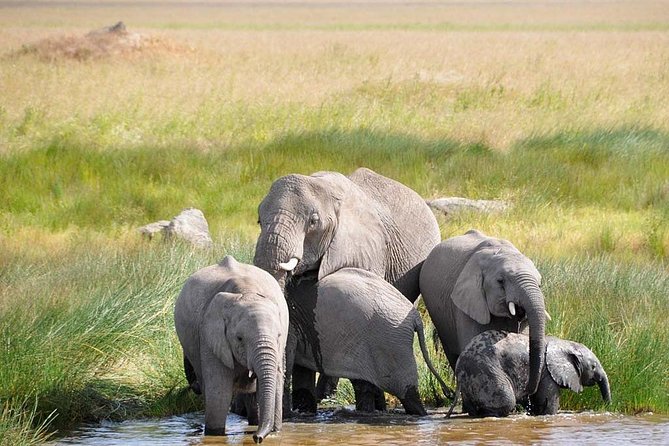
The first morning begins with pickup from your hotel in Arusha at 8:00 am. You then travel to Tarangire National Park for about seven hours of park time. The park is known for nine vegetation zones, so you are not simply driving through one unchanging type of bush.
The baobabs are the visual signature. These ancient trees rise above the ground with thick trunks and broad, unusual shapes. The description points out that they can dwarf nearby animals, and that is easy to picture: an elephant beside a baobab gives you a photograph with a clear sense of scale.
Tarangire’s river is another reason this park earns its place on a short safari. Water draws wildlife, and the route may give you chances to see lions, leopards, zebras, giraffes, buffaloes, antelopes, and elephants. Birdlife is also part of the appeal, so keep watching beyond the large animals.
I would give Tarangire special weight if elephants are high on your list. The park is known for having Tanzania’s largest concentration of elephants, with opportunities to watch family groups interact. That can be more interesting than a quick sighting of a single animal. You may see movement, feeding, and contact between several elephants, though no safari can promise a particular behavior.
Lunch is included, and a lunch stop gives you a needed break during a long day. The provided details do not name the meal location or menu, so ask if you have dietary needs. Drinks are included as part of the package, but it is still sensible to confirm what is supplied in the vehicle and what is served with meals.
The main weakness of day one is the amount of time spent getting into the safari rhythm. You leave Arusha in the morning, spend roughly seven hours at the park, and stay overnight in the Tarangire area. That is efficient, but you should not expect an unhurried afternoon at your accommodation.
Ngorongoro Crater: a compact wildlife world below the rim
After breakfast on day two, you travel toward Ngorongoro Crater. The listed drive time is about 52 minutes, followed by around seven hours in the crater. Compared with a large open park, the crater feels concentrated. Its walls rise about 2,000 feet, and the crater covers roughly 102 square miles.
That enclosed setting is what makes Ngorongoro so memorable. The crater contains open plains, a river, swamps, forest, and a soda lake where flamingos gather. In a single game drive, you may move through several habitats without leaving the crater floor.
The area is described as supporting almost every species native to East Africa. You might see lions, elephants, buffaloes, zebras, giraffes, antelopes, and many other animals. The crater is also one of the rare places in Tanzania where you may see a black rhino, which gives this day a special purpose for anyone hoping to see one of Africa’s most threatened large mammals.
The elephants here are noted for their large size and huge tusks. That detail helps distinguish the crater experience from Tarangire. Tarangire is strongly associated with elephant families and baobabs, while Ngorongoro combines big animals with an enclosed, dramatic setting.
There is a practical point to remember: seven hours in a crater vehicle can be tiring. You will want sun protection, comfortable clothing, and patience during slow wildlife viewing. The vehicle’s pop-up roof should help with viewing and photography, and six window seats should reduce the feeling of being boxed in, but the ride remains a full day on the move.
Your overnight stay is around Ngorongoro, according to the itinerary. Because the accommodation name, room type, and meal arrangement are not specified, confirm those points in writing. The package includes breakfast and dinner, but knowing the exact property helps you understand how much comfort and travel time to expect.
Lake Manyara: forest, monkeys, and Rift Valley scenery
Day three starts early after breakfast. You cross the Great Rift Valley toward Lake Manyara National Park for a full-day game drive, then return to Arusha after the park visit. Again, the day is listed at about seven hours, so this is a full final outing rather than a short stop on the way home.
Lake Manyara changes the tone of the safari. The park is known for lush acacia forest, giant fig trees, and mahogany trees. That makes it a good contrast to the drier, more open feel associated with parts of Tarangire and the crater floor.
The animal list is broad. You may encounter baboons, blue monkeys, giraffes, elephants, impalas, buffaloes, hippos, waterbucks, wildebeests, and warthogs. The park gives you a reasonable chance to see both woodland animals and species near the water.
The lake itself adds the best photo setting of the final day. Game drives along the shore can combine animals, water, forest, and distant views. The details also mention flamingos at Ngorongoro’s soda lake, so bird lovers have two different water-based settings to watch.
Lake Manyara is a good final park because it gives you something different before the drive back to Arusha. The drawback is timing. After two demanding days, you may feel the length of another full game drive and the return journey. If your onward flight leaves the same evening, confirm the expected arrival time before booking. The supplied information only says that the activity ends back at the meeting point.
More Three-Day Trips in Arusha:
- 3 Day Serengeti National Park & Ngorongoro Crater Camping Safari
★ 5.0 · 142 reviews - 3 Days Small Group Safari to Serengeti NP and Ngorongoro Crater Tour in Tanzania
★ 5.0 · 77 reviews - 3 Days Safari to Serengeti National Park & Ngorongoro Crater in Tanzania
★ 5.0 · 34 reviews - 3 Days Safari Serengeti & Ngorongoro Crater
★ 5.0 · 26 reviews
What the 4×4 setup means in practice
Transport is central to any safari, and this package includes a 4×4 safari jeep with a pop-up roof and six window seats. That setup matters because game viewing depends on your ability to see out, change your angle, and raise your head above the vehicle when appropriate.
A six-window arrangement suggests a smaller group than a large coach, but the tour information needs clarification because it refers to both group and private arrangements. If having your own vehicle is important, ask directly before confirming.
A professional driver and guide are included. The guide’s role matters beyond steering. The guide helps you spot animals, understand the parks, and manage the day’s timing. One customer specifically praised an organizer named Anita for being helpful during the arrangements. That is useful encouragement, but you should still request the name and contact details of your assigned guide if those are available.
The package also includes airport pickup and drop-off. That can save money and hassle at the start and finish, especially if you are arriving in Arusha for the safari. Confirm the airport transfer details ahead of time, including your flight number and pickup point.
Is $2,116 per person good value?
The price is $2,116 per person. That is not a low-cost add-on, but the value depends on what you would otherwise need to arrange separately. The stated inclusions cover park fees, taxes, a guide, a safari vehicle, three lunches, three breakfasts, two dinners, meals and drinks, and transport during the trip.
The package also includes two overnight stays, one near Tarangire and one near Ngorongoro, although the accommodation details are not supplied. That missing information is the biggest price question. A basic camping setup and a higher-end lodge can produce very different value at the same advertised price.
You also need to budget for international flights, tips for the safari driver, guide, and chef, personal items, travel insurance, and visa fees. Those costs are not included. Before comparing this safari with another one, ask for the names of the accommodations, the room or tent category, the exact group size, and the drink details.
I like the all-in structure for the main safari costs. You are not being asked to calculate separate park entrance fees or vehicle charges during each day. For a short trip, that simplicity has real value. But you should not judge the price until the overnight arrangements are clear.
Meals, pace, and practical comfort
Three breakfasts, three lunches, and two dinners are included. That fits a two-night safari, although it is worth noticing that the meal list does not promise dinner on the final day, when you return to Arusha after Lake Manyara.
The schedule favors early starts and full park days. You should be comfortable sitting in a vehicle for long stretches and switching between driving and wildlife stops. The payoff is broad coverage in a short period, but anyone seeking lazy mornings or long stays at one lodge may find the plan too tight.
The cancellation terms are flexible if your plans change early. You can cancel up to 24 hours before the start time for a full refund. Changes made within 24 hours are not accepted, and poor weather may lead to a new date or a full refund. The activity confirms at booking, and most people can take part, though you should raise any personal mobility or medical concerns with the operator before departure.
Who should book this safari?
I would recommend this trip to someone with only three days who wants the main Northern Tanzania highlights without building a custom itinerary. It is especially suitable if you want elephants, dramatic scenery, a chance at black rhino, and several different habitats in one compact route.
It also suits people who value included logistics. Hotel pickup, airport transfers, meals, park fees, a guide, and a safari vehicle remove much of the planning work.
I would hesitate if you dislike long driving days, need a slow pace, or want a specific luxury lodge. I would also wait for clearer accommodation and group-size information before committing the $2,116. The route is strong, but the comfort level depends heavily on details that are not provided here.
Final booking advice
Book this safari if variety matters more than leisure and you want three famous parks in a short window. Tarangire gives you the best elephant and baobab focus, Ngorongoro offers the strongest compact wildlife setting, and Lake Manyara rounds things off with forest and lake views.
Before you pay, confirm four things: the exact accommodation, the private or shared vehicle arrangement, the full drink and meal plan, and your final return time to Arusha. If those answers suit your needs, this is a practical three-day introduction to Tanzania’s Northern safari circuit, with a well-chosen mix of wildlife and scenery.
FAQ
Where does the safari start and end?
It starts in Arusha, Tanzania, with pickup offered at 8:00 am. The activity ends back at the meeting point in Arusha after Lake Manyara National Park.
Which parks are included?
The safari includes Tarangire National Park on day one, Ngorongoro Crater on day two, and Lake Manyara National Park on day three.
Is airport pickup included?
Yes. Free pickup and drop-off at the airport are included.
What type of vehicle is provided?
The safari uses a 4×4 vehicle with a pop-up roof and six window seats.
Are meals included?
Yes. The package includes three breakfasts, three lunches, and two dinners. Meals and drinks are also listed among the inclusions.
Is the safari private or shared?
The information describes it as a group tour in one place and as a private activity for your group in another. Confirm the vehicle arrangement with Serengeti Camping Safari before booking.
What is excluded from the price?
International flights, tips for the safari driver, guide, and chef, personal items, travel insurance, and visa fees are not included.
Just added around Arusha
- 3 Days Safari to Tarangire NP, Ngorongoro Crater and Lake Manyara NP★ 5.0 · 2 reviews
- Manyara and Ngorongoro Crater★ 5.0 · 3 reviews
- 4 Days Tanzania Safari Tarangire, Serengeti and Ngorongoro Crater★ 4.5 · 16 reviews
- Small Group Serengeti and Ngorongoro Crater Adventure Safari★ 5.0 · 7 reviews
- Tanzania Safari 10 Days- Serengeti, Lake Manyara, Ngorongoro Crater.★ 5.0 · 4 reviews
- 3Days luxury safari to Tarangire Ngorongoro crater and Manyara★ 5.0 · 16 reviews
- 03 days Serengeti and Ngorongoro Crater group (camping)★ 5.0 · 75 reviews
- Elephant Special Serengeti & Ngorongoro Crater 5 Days / 4 Nights★ 5.0 · 21 reviews
Ngorongoro Crater Safaris, compared.
5-Day Highlights mid-Range Crater, Serengeti, Tarangire
Our review of it →
Private 6-Day Tarangire Manyara Crater and Serengeti with Mid-Range Lodges
Our review of it →
5 Days Camping Tarangire, Serengeti & Ngorongoro crater & Visiting Maasai
Our review of it →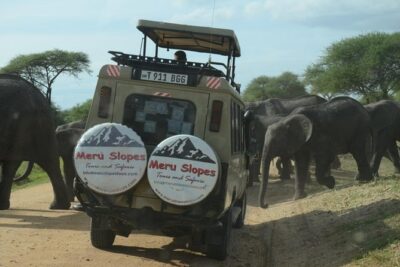
4 Days Join Group tour Tarangire Serengeti and Ngorongoro crater
Our review of it →3 Day Serengeti National Park & Ngorongoro Crater Camping Safari
Our review of it →
5 Days Tanzania Group Joining Safari, Tarangire/Serengeti/Ngorongoro Crater
Our review of it →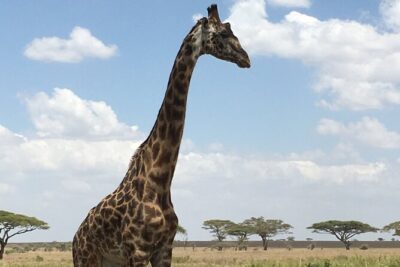
5 day safari Tarangire Serengeti and Ngorongoro crater
Our review of it →Browse the lists this tour appears in