
REVIEW · ARUSHA
2 Day Safari Tarangire and Ngorongoro Crater
Two famous parks, one compact safari. This two-day trip gives you Tarangire’s elephants and baobabs on day one, then the wildlife-packed Ngorongoro Crater on day two. I like the simple design: you get two very different protected areas without arranging separate transport, meals, or an overnight stay.
I also like the small group limit of seven people, which should make it easier to see from the vehicle and ask your guide questions. The main drawback is the tight schedule. Two parks in two days means long road time and little room for delays, and the accommodation is not described in detail, so you should confirm the overnight setup before paying.
Key things to know before booking
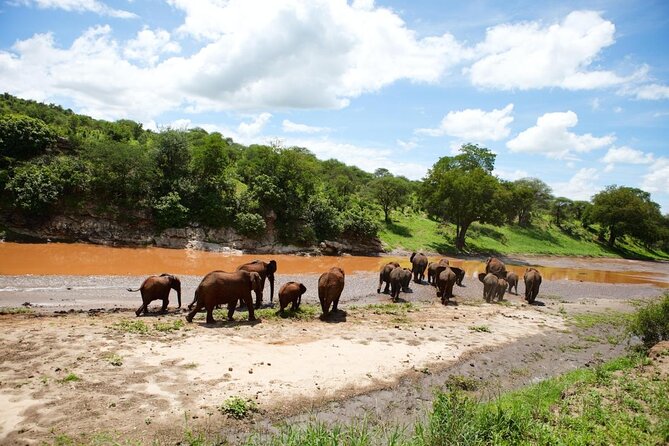
- Tarangire is the elephant day: The park is especially appealing in the dry season, when animals gather near the Tarangire River.
- Ngorongoro brings dense wildlife into one crater: Cape buffalo, rhinoceros, hippopotamus, and other animals can be spotted during the seven-hour visit.
- The group is capped at seven people: That is a useful middle ground between a private safari and a large bus tour.
- Meals are included: The package lists dinner, two lunches, and two breakfasts, helping keep the total cost easier to predict.
- The advertised price is $440 per person: That includes the two-day safari structure and listed meals, but not luxury extras.
- Arusha pickup is offered: The stated meeting point is Masailand Safari & Lodge, and hotel pickup may cost an additional $5.
Why this two-day route works
This safari is built for people who want a real taste of northern Tanzania without committing to a longer circuit. Tarangire and Ngorongoro are close enough to pair in a short trip, yet they offer different animal-viewing settings.
Tarangire is open, dry, and marked by huge baobab trees. Ngorongoro is enclosed by the walls of an ancient volcanic caldera, creating a concentrated wildlife area. You get contrast rather than two similar park days.
That contrast is the main reason I find the route appealing. Tarangire gives you a sense of movement, with animals using the river and wider park during the dry season. Ngorongoro feels more contained, with many animals visible across the crater floor.
The tradeoff is pace. A two-day safari is not the best choice if you want long, unhurried game drives or much time for side stops. It is better for a first safari, a short visit from Arusha, or a traveler fitting wildlife into a larger Tanzania itinerary.
More Ngorongoro Crater Safaris in Arusha:
- 5-Day Highlights mid-Range Crater, Serengeti, Tarangire
★ 5.0 · 296 reviews - Private 6-Day Tarangire Manyara Crater and Serengeti with Mid-Range Lodges
★ 5.0 · 238 reviews - 5 Days Camping Tarangire, Serengeti & Ngorongoro crater & Visiting Maasai
★ 5.0 · 229 reviews
Day one: the elephants and baobabs of Tarangire
The first morning begins with the drive from Arusha toward Tarangire National Park. Pickup is offered, and the stated starting point is Masailand Safari & Lodge in Arusha. One past booking included an early hotel pickup, but it came with a $5 extra charge for hotel pickup and drop-off, so confirm that cost before departure.
The drive matters because this is not a quick city excursion. You are leaving Arusha for a full park day, then spending the night before continuing to Ngorongoro. An early start gives you more useful time in Tarangire, especially since the listed schedule allows about eight hours for the main park visit.
Tarangire is known for having Tanzania’s largest elephant population. That alone makes it worth pairing with Ngorongoro, which is better known for the number and range of species visible in a relatively compact area.
The park’s dry-season rhythm is especially important. When water becomes scarce, the Tarangire River acts as a major source for animals from the surrounding area. Wildebeest and zebra may move toward it, while lions, leopards, and hyenas take advantage of the activity.
You should not treat this as a promise of a particular sighting. Wildlife remains unpredictable. Still, the river gives the park a clear natural focus, and it helps explain why Tarangire can be rewarding when other water sources are less reliable.
The scenery has its own appeal. Large baobabs rise beside open ground, and the combination of bulbous trees, elephants, buffalo, zebra, wildebeest, and big cats gives Tarangire a strong visual identity. You are not simply ticking off animal names. You are watching how the park’s water and vegetation shape animal movement.
The itinerary also refers to tree-climbing lions. That is an unusual feature to keep in mind, though sightings are never guaranteed. The possibility adds another reason to pay attention during the game drive rather than focusing only on elephants.
A full park day can be tiring. You will spend hours in the safari vehicle, and the quality of the experience depends heavily on your guide’s ability to read animal behavior, choose routes, and explain what you are seeing. The small group limit helps here. With no more than seven people, you should have a better chance of hearing the guide and getting a clear view than you would in a large vehicle.
Lunch is included, as are the other listed meals across the trip. That keeps the day straightforward. You do not need to plan a separate restaurant stop inside the park, though you should clarify the exact meal schedule and accommodation details before departure.
The overnight stay: useful, but ask questions first
This is an overnight safari, so accommodation is part of the experience even though the supplied details do not name the property or describe the room standard. The package lists dinner, two breakfasts, and two lunches, which indicates that food is covered across the overnight portion.
I would ask the operator three direct questions before booking:
- What is the name and location of the overnight accommodation?
- Is the room private or shared?
- What does the phrase luxury not included mean for the accommodation and transport?
Those questions are practical, not fussy. The $440 price may be good value for a two-day safari with park visits, transport, guiding, and meals, but the value depends partly on where you sleep and how basic the arrangements are.
Do not book this expecting a luxury safari unless the operator confirms an upgrade. The package is best understood as a compact, practical wildlife trip. For many people, that is exactly the point. You spend your money on access to two major areas rather than on high-end lodging.
Day two: descending into Ngorongoro Crater
The second day takes you to the Ngorongoro Conservation Area, with about seven hours scheduled there. Ngorongoro is the more concentrated wildlife experience of the two days. Its crater setting brings many animals into a broad enclosed area, making it possible to see a varied mix during one game drive.
The crater is known for cape buffalo, rhinoceros, and hippopotamus, along with other wildlife on the crater floor. These animals do not appear on command, but the setting gives you a strong chance to spend time looking across open ground and checking different areas for movement.
The rhinoceros possibility is a major draw. A sighting is never certain, and you should keep expectations sensible, but the chance to look for one in this setting adds weight to the Ngorongoro day.
The hippo pool is another planned feature. A picnic lunch near the pool lets you eat within a few dozen feet of hippopotamuses. That sounds calm, but hippos are powerful and intimidating animals, so the setting is memorable precisely because you are close while still remaining under the control of the safari arrangements.
The lunch stop also gives the day a break from continuous driving. Still, keep in mind that a picnic beside wildlife is not a casual picnic in an ordinary park. Follow the guide’s instructions and stay within the designated area.
Seven hours in the conservation area is a useful amount of time for a short safari. It gives you a proper crater visit instead of a rushed photo stop. The limitation is that this is still one day. If the vehicle is delayed, wildlife viewing takes longer than expected, or road conditions slow the schedule, you may have less flexibility than on a longer safari.
More Safaris in Arusha:
- 3 Day Serengeti National Park & Ngorongoro Crater Camping Safari
★ 5.0 · 142 reviews - 5 Days Tanzania Group Joining Safari, Tarangire/Serengeti/Ngorongoro Crater
★ 5.0 · 85 reviews - 5 day safari Tarangire Serengeti and Ngorongoro crater
★ 5.0 · 83 reviews - 3 Days Small Group Safari to Serengeti NP and Ngorongoro Crater Tour in Tanzania
★ 5.0 · 77 reviews
What the $440 price really covers
At $440 per person, this trip is not the cheapest way to see wildlife in Tanzania, but the comparison needs to be fair. You are paying for a two-day structure that combines transport from Arusha, two major wildlife areas, an overnight stay, guiding, and listed meals.
The included items are dinner, two lunches, two breakfasts, and parking fees. The tour also includes round-trip transportation from the meeting point, and pickup is offered. That reduces the work of arranging a vehicle and coordinating separate park visits.
The price looks strongest for someone who values convenience. You do not need to arrange Tarangire on one day and Ngorongoro on another. You also avoid spending time comparing transport between Arusha, the parks, and the overnight stop.
The price is less attractive if you want a private vehicle, luxury lodging, or a highly customized route. The maximum group size is seven, not one or two. That is small enough for personal attention, but it is not a private safari.
I would also include the possible $5 hotel pickup charge in your budget. It is minor beside the total cost, but small add-ons are worth knowing before you set your final price.
The rating information is strong, with 4.8 out of 5 from 16 ratings and a 100 percent recommendation figure. That suggests the basic format works well for most people. One recorded experience described it as a good first safari, with early hotel pickup and a full day in the park, while also making clear that hotel transport cost extra. That is a useful picture of the trip: accessible and practical, but not free of small additional costs.
Transport, timing, and group size
The trip begins and ends at Masailand Safari & Lodge, listed at MJ7W+X3 in Arusha. The activity ends back at the meeting point, so plan your onward arrangements from there rather than assuming a different city drop-off.
Pickup is offered, but the meeting-point information should be treated as the firm arrangement. If you are staying at a hotel in Arusha, ask if pickup is included or carries the additional $5 charge noted in the booking information.
The group maximum of seven is one of the better features. A small vehicle group usually makes conversation with the guide easier and reduces the chance that every stop becomes a scramble for a view. It also gives you a better chance to ask for explanations about animal behavior, the river, the crater, or the park’s trees.
The tour is listed as suitable for most people, but it is still a physically demanding two-day outing. You should be comfortable with early starts, extended time in a safari vehicle, and a full day outside. No special accessibility details are provided, so ask the operator directly if you have mobility or other access needs.
Who should book this safari
I would recommend it most strongly to a first-time safari visitor who has only two days available. You get two famous areas, two distinct settings, and a good introduction to how wildlife responds to water, terrain, and seasonal movement.
It also suits people staying in Arusha who want transportation and meals handled in one booking. The small group limit is useful if you want more personal attention without paying the full cost of a private tour.
This is less suitable for you if luxury accommodation is central to the trip. The package does not include luxury, and the lodging details are not specified. It is also not ideal if you want a slow safari with plenty of spare time, because the route packs two major parks into roughly 48 hours.
The experience is best when you view it as a concentrated sample rather than a complete northern Tanzania safari. Tarangire provides the elephants, baobabs, river activity, and possibility of tree-climbing lions. Ngorongoro provides the crater setting and a strong mix of animals, including the possibility of rhino and hippo sightings.
Should you book the Tarangire and Ngorongoro safari?
Book this tour if you want a short, well-rounded introduction to safari from Arusha and value included meals, transport, and a group of no more than seven. The combination of Tarangire and Ngorongoro is the real strength, giving you two very different wildlife experiences in a compact plan.
Before paying, confirm the overnight accommodation, the exact pickup cost, and what is included in the non-luxury arrangement. If those details suit your budget, $440 is a reasonable price for a tightly organized two-day trip. If you want private guiding, premium lodging, or a leisurely schedule, choose a longer or more customized safari instead.
FAQ
How long is the safari?
The safari lasts approximately two days, with Tarangire National Park visited on day one and the Ngorongoro Conservation Area visited on day two.
Where does the safari start?
The stated meeting point is Masailand Safari & Lodge, MJ7W+X3, Arusha 1531, Tanzania.
Where does the safari end?
The activity ends back at the meeting point in Arusha.
Is pickup from Arusha offered?
Yes. Pickup is offered, but one recorded booking included an additional $5 charge for hotel pickup and drop-off. Confirm the exact arrangement before departure.
How much does the safari cost?
The listed price is $440 per person.
How many people can join the group?
The activity has a maximum of seven travelers.
Which parks and conservation areas are included?
The trip includes Tarangire National Park on the first day and the Ngorongoro Conservation Area on the second day.
What meals are included?
The package lists dinner, two lunches, and two breakfasts.
Is luxury accommodation included?
No. Luxury is listed as not included, and the supplied information does not specify the overnight property or room type.
Can I cancel for a full refund?
Yes, if you cancel at least 24 hours before the experience start time. Cancellations or changes made less than 24 hours before the start are not refunded or accepted. If poor weather or an insufficient minimum number of participants cancels the trip, you are offered another date or experience, or a full refund.
More Two-Day Trips in Arusha
- 2 Days Group Joining Camping Safari Tarangire Park and Ngorongoro Crater
★ 4.5 · 28 reviews - 2 Days Joined Group Tarangire and Ngorongoro Crater National Park
★ 4.5 · 17 reviews - 2-Days Private Midrange Safari; Tarangire & Ngorongoro Crater
★ 5.0 · 11 reviews - 2 Days Wildlife game drives Through Tarangire and Ngorongoro Crater
★ 5.0 · 8 reviews
Just added around Arusha
- 3 Days Safari to Tarangire NP, Ngorongoro Crater and Lake Manyara NP★ 5.0 · 2 reviews
- 4 Days Tanzania Safari Tarangire, Serengeti and Ngorongoro Crater★ 4.5 · 16 reviews
- Manyara and Ngorongoro Crater★ 5.0 · 3 reviews
- Small Group Serengeti and Ngorongoro Crater Adventure Safari★ 5.0 · 7 reviews
- Tanzania Safari 10 Days- Serengeti, Lake Manyara, Ngorongoro Crater.★ 5.0 · 4 reviews
- 3Days luxury safari to Tarangire Ngorongoro crater and Manyara★ 5.0 · 16 reviews
- Elephant Special Serengeti & Ngorongoro Crater 5 Days / 4 Nights★ 5.0 · 21 reviews
- 03 days Serengeti and Ngorongoro Crater group (camping)★ 5.0 · 75 reviews
Ngorongoro Crater Safaris, compared.
5-Day Highlights mid-Range Crater, Serengeti, Tarangire
Our review of it →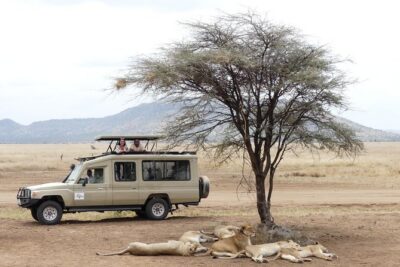
Private 6-Day Tarangire Manyara Crater and Serengeti with Mid-Range Lodges
Our review of it →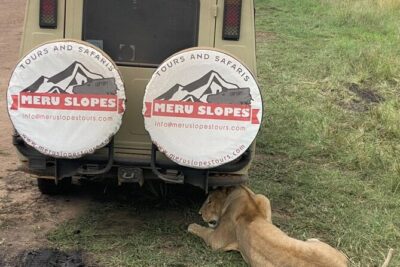
5 Days Camping Tarangire, Serengeti & Ngorongoro crater & Visiting Maasai
Our review of it →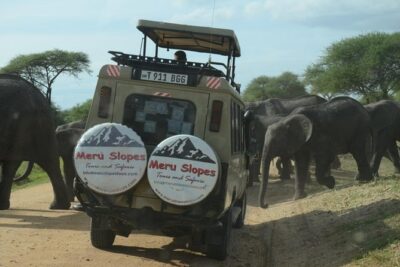
4 Days Join Group tour Tarangire Serengeti and Ngorongoro crater
Our review of it →3 Day Serengeti National Park & Ngorongoro Crater Camping Safari
Our review of it →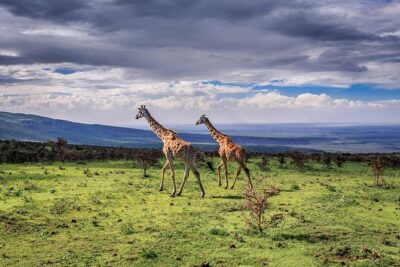
5 Days Tanzania Group Joining Safari, Tarangire/Serengeti/Ngorongoro Crater
Our review of it →
5 day safari Tarangire Serengeti and Ngorongoro crater
Our review of it →Browse the lists this tour appears in