
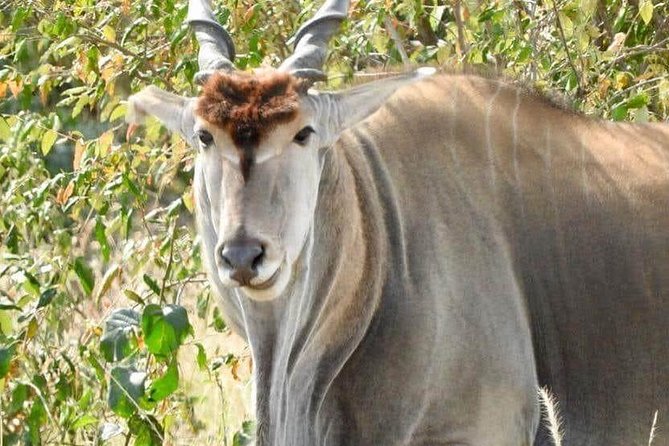
REVIEW · NAIROBI, KENYA
11-Day Wildebeest Migration Serengeti, Mara, Ngorongoro Crater.
The wildlife comes thick and fast. This 11-day private safari links Tanzania’s Tarangire, Ngorongoro Crater, and Serengeti with Kenya’s Amboseli, Lake Elementaita, Lake Nakuru, and Maasai Mara. I like the cross-border route, which gives you several classic safari settings in one trip, and I like the chance to pair migration country with strong elephant viewing and Rift Valley birdlife. The main concern is the demanding schedule, especially the long transfers and the need to clarify exactly where the tour begins.
I also like the private format. Your group travels by private transportation rather than joining a large coach, and the operator can pick you up at Jomo Kenyatta International Airport or another agreed point. The trip has received top marks in its small set of published feedback, including praise for Silver Spark Africa Safaris and a staff member named Abongo, who was credited with helping reduce extra costs.
This is not a slow, one-country safari. You cross the Tanzania-Kenya border at Namanga, visit several parks, and finish in Nairobi. The itinerary is exciting, but you should be ready for early starts, picnic lunches, rough park roads, and plenty of time in the vehicle.
Key points to know before booking
- Two migration areas in one trip: Serengeti and Maasai Mara belong to the same broad ecosystem, giving you two chances to see seasonal herds.
- Ngorongoro Crater game drive: The crater is about 600 meters deep and roughly 20 kilometers wide, with strong Big Five potential in a compact setting.
- Amboseli’s elephant country: The park is known for large elephant herds and views toward Mount Kilimanjaro.
- Rift Valley bird stops: Lake Elementaita and Lake Nakuru add flamingos, soda-lake scenery, and more than 400 recorded bird species at Nakuru.
- Private travel: Only your group participates, which gives you more control than a shared safari vehicle.
- Route details need checking: The trip begins with Tanzania in the day-by-day plan but lists Nairobi’s Jomo Kenyatta International Airport as the meeting point.
What the route really offers in 11 days
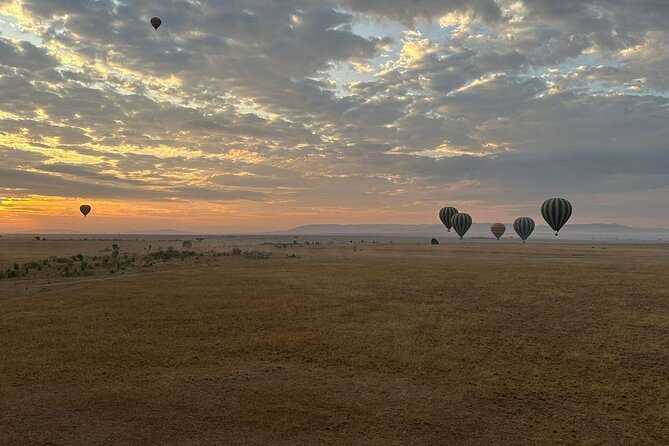
This safari is built around variety. You move from baobab-dotted Tarangire to the enclosed wildlife bowl of Ngorongoro, then across the Serengeti plains and into Kenya’s Amboseli and Mara regions.
That variety is the biggest reason to consider it. Tarangire gives you elephants and dramatic trees. Ngorongoro offers a concentrated game drive. The Serengeti provides huge open plains and big cats. Amboseli brings its famous Kilimanjaro views, while Nakuru and Elementaita shift the focus toward birds and Rift Valley scenery.
The trade-off is pace. You do not spend several nights in each area, and some days combine a transfer with a game drive. If you want a quiet camp-based safari with long afternoons at one lodge, this route may feel rushed. If you want to see a lot of northern Tanzania and southern Kenya in one holiday, the packed plan makes sense.
The title emphasizes the wildebeest migration, but migration sightings depend on timing and location. The Maasai Mara section describes the main movement as July through September, when more than 1.5 million wildebeest, zebra, and antelope move between Serengeti and Mara grasslands. Outside that period, you can still see wildlife, but you should not book on the assumption that a river crossing or giant moving herd is guaranteed.
More Ngorongoro Crater Safaris in the world:
- 5-Day Highlights mid-Range Crater, Serengeti, Tarangire
★ 5.0 · 296 reviews - Private 6-Day Tarangire Manyara Crater and Serengeti with Mid-Range Lodges
★ 5.0 · 238 reviews - 5 Days Camping Tarangire, Serengeti & Ngorongoro crater & Visiting Maasai
★ 5.0 · 229 reviews
Day 1: Tarangire brings elephants and baobabs
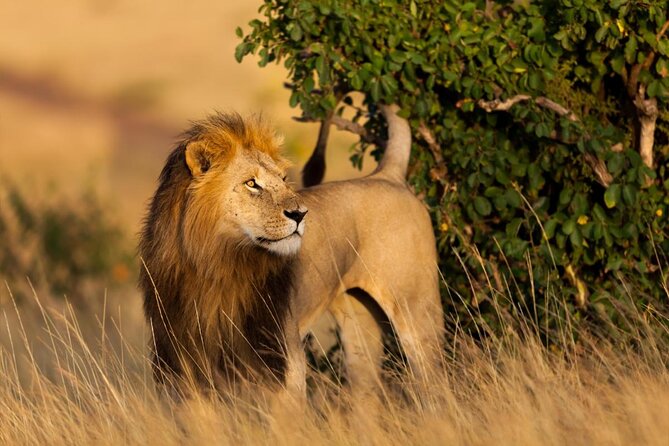
Your first wildlife stop is Tarangire National Park, reached after pickup from your hotel or an airport near Arusha, according to the day-by-day plan.
Tarangire is a fine opening act because its identity is clear from the start. Huge baobabs, seasonal swamps, and the Tarangire River frame a park known for some of northern Tanzania’s largest elephant herds. Wildlife gathers around reliable water, giving you a good chance to see elephants, giraffes, bushbucks, hartebeests, dik-diks, waterbucks, warthogs, and reedbucks.
You might also see buffalo, zebra, wildebeest, and lions following the grazing herds. Leopards are possible, though less predictable. I like this first day because it offers a strong mix of scenery and animals rather than relying only on the migration season.
The main practical point is timing. This is a transfer day as well as a park day, so ask how many hours you will actually have inside Tarangire and where you sleep that night.
Day 2: Ngorongoro Crater packs wildlife into one view
An early start takes you toward the cooler Ngorongoro highlands. The crater is almost 600 meters deep and about 20 kilometers wide, creating one of Africa’s most memorable game-drive settings.
The crater floor can offer a remarkable range of mammals in a relatively compact area. The itinerary lists the Big Five as possible sightings, along with Grant’s and Thomson’s gazelles, mountain reedbucks, and spotted hyenas. More than 500 bird species are recorded in the wider area, so this is not only a large-mammal stop.
A picnic lunch is planned inside the crater, followed by more game viewing. That arrangement lets you stay in the area instead of losing time returning to a lodge for lunch.
You should keep expectations sensible. No safari can promise a rhino, leopard, or every member of the Big Five. Still, Ngorongoro is one of the stronger places on this route for a concentrated wildlife day, especially if you prefer a single game drive with varied habitats close together.
Days 3 and 4: The Serengeti is the trip’s main wildlife stage
After breakfast, you transfer into Serengeti National Park. The park covers about 14,763 square kilometers and is known for wide plains, resident herds, and all three major African cats.
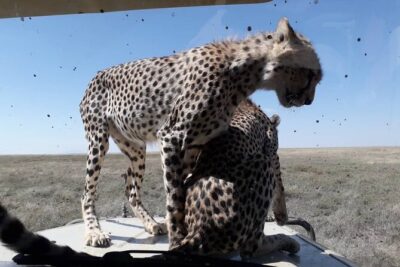
The itinerary points to buffalo, elephant, giraffe, eland, topi, kongoni, and impala. Lions may be found near a kill, cheetahs are often associated with the southeastern plains, and leopards may rest in trees near the Seronera River.
That gives you a useful sense of how the Serengeti works. You are not entering a small enclosure where every animal is easy to find. You are covering a large area, watching for movement, tracks, birds, and clusters of safari vehicles that may signal a sighting. Your guide’s ability to read the park and communicate with other drivers will matter greatly, though the operator does not provide a named guide in the supplied details.
Day 4 is scheduled as another full game-drive day, with a picnic lunch and afternoon viewing. This is valuable because one Serengeti day can feel brief, especially if you spend part of the previous day reaching the park.
There is an important itinerary wrinkle here. Day 4 also says you check out around noon or 3 p.m. and transfer to Arusha for an overnight at Malkia Trees Lodge. Then Day 5 begins in Arusha and heads to Amboseli. Ask the operator to confirm whether the second Serengeti day is truly a full day, and how the overnight transfer is handled. That answer will help you judge the actual value of the package.
A few more volcano trips around the world worth a look
- Reykjavik: Golden Circle Full-Day Tour with Kerid Crater
★ 4.8 · 24,485 reviews - From Naples: Pompeii Ruins & Mount Vesuvius Day Tour
★ 4.3 · 11,459 reviews - Santorini: Volcanic Islands Cruise with Hot Springs Visit
★ 4.4 · 10,869 reviews - Big Island in a Day: Volcanoes Waterfalls Sightseeing and History
★ 5.0 · 6,569 reviews
Days 5 and 6: Amboseli pairs elephants with Kilimanjaro
After breakfast in Arusha, you travel through Namanga and cross the Tanzania-Kenya border. Immigration clearance is part of the plan, followed by a drive through Maasai country toward Amboseli National Park.
Bring patience for this day. Border formalities and the long road transfer can take time, and the itinerary includes a picnic lunch en route. The reward is Amboseli, one of Kenya’s best-known elephant parks, with Mount Kilimanjaro providing the famous backdrop across the border in Tanzania.
Day 5 includes wildlife viewing after arrival, with lions and other animals possible. Day 6 is set aside for a full-day game drive with a packed lunch. The park’s marshy areas attract elephants, while zebra, wildebeest, giraffe, and predators add variety.
Observation Hill is specifically noted as a strong viewpoint. It is the place to look for broad views across the park and a chance to frame elephants against Kilimanjaro when the mountain is visible.
Cloud cover can affect the mountain view, so do not treat the photograph as guaranteed. Even without a clear summit, Amboseli has a distinct character because of its elephant herds and open setting. Accommodation is listed at Sentrim Lodge Amboseli.
Day 7: Lake Elementaita slows the pace
The drive to Lake Elementaita changes the rhythm of the trip. After the busier wildlife days, you arrive at a soda lake in Kenya’s Great Rift Valley, about 120 kilometers northwest of Nairobi.
The plan includes a welcome drink, lunch, and a late-afternoon guided walk beside the lake. Elementaita is known for birdlife, including concentrations of greater and lesser flamingos. The day ends with a hot-spring dip and a campfire at Jacaranda Lake Elementaita Lodge.
This is one of the more unusual parts of the route because it is not built around chasing large mammals. The guided walk and hot spring offer a break from long hours in a vehicle. If you care about birds, it may become a favorite stop. If your priority is lions and leopards every day, it may feel like a pause you would rather spend in a national park.
Day 8: Lake Nakuru adds birds and rhino-country potential
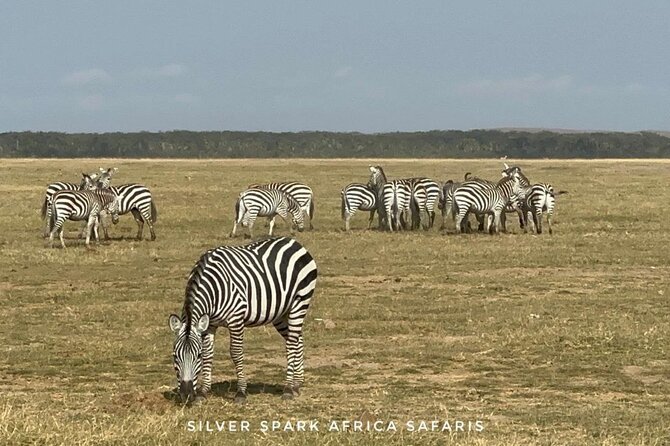
After breakfast, you continue to Lake Nakuru National Park. The park surrounds another Rift Valley soda lake and is described as a major bird destination with more than 400 species.
Flamingos are the headline attraction, though their numbers and location can change. Other listed species include African fish eagles and many birds of the lake, woodland, and grassland. The afternoon game drive gives you a chance to move beyond birdwatching and search for mammals in the park.
The itinerary says you arrive, settle in, have lunch, and then enter the park for an afternoon drive. That means the day is shorter for wildlife than a full park day. Still, Lake Nakuru works well as a bridge between Elementaita and Maasai Mara, especially for anyone who wants a safari with more than the standard large-animal checklist.
Days 9 and 10: Maasai Mara and the migration question
You leave Nakuru after breakfast, pass a Great Rift Valley viewpoint, and continue to Maasai Mara National Reserve. The Mara is part of the same broad Serengeti ecosystem and is famous for the annual movement of wildebeest, zebra, and antelope.
After lunch and a rest, Day 9 includes an afternoon game drive. Day 10 is a full-day drive with a picnic lunch. The Mara Triangle and areas near the Mara River are highlighted for grassland, acacia woodland, and game viewing.
The reserve is known for the Big Five, and you may also find the large herds that make the migration so famous. The strongest migration period given here is July through September. Even then, the exact location of the herds changes, and river crossings are never something a responsible operator can promise.
Accommodation is listed at Aa Mara Lodge. Since the itinerary gives you only two Mara days, the timing of your trip matters a lot. Ask the operator how the route is adjusted during migration months and where the vehicle will focus its drives.
Day 11: Returning to Nairobi
The final morning begins with breakfast and packing before the drive back to Nairobi. The tour ends at a hotel or at the airport, with the day described as lasting about 12 hours.
Do not schedule a tight international flight unless the operator confirms the arrival time and road conditions. The drive from Maasai Mara to Nairobi is long, and the final return day is not a quick airport transfer.
The stated meeting point is Jomo Kenyatta International Airport in Nairobi, but the first day refers to pickup near Kilimanjaro or Arusha Airport. This is the clearest detail to settle before paying. You need to know if airport pickup in Nairobi is included, if you must arrange your own transfer to Tanzania, and where the private vehicle changes hands.
Is $3,900 per person fair?
At $3,900 per person, this is a major purchase, but the route covers several national parks in two countries and uses private transportation. The price may be reasonable for a private safari that includes park access, vehicles, accommodation, meals, and border arrangements.
However, the supplied details explicitly list private transportation as included, while the daily plan separately refers to lodges, picnic lunches, breakfasts, and dinners. Before booking, ask for a written list of what the price covers:
- Park and conservation fees
- Lodging at every stop
- Breakfasts, lunches, dinners, and picnic meals
- Border transfer and immigration assistance
- Airport pickup and drop-off
- Private vehicle and driver-guide
- Any guide, walking, or hot-spring fees
This is where the value becomes clear. A private vehicle can be worth paying for because you avoid sharing the schedule with strangers. The two published comments also give some support to the operator’s service, with positive remarks about professionalism and Abongo’s effort to avoid unnecessary expense. Still, two comments are not enough to judge every part of an 11-day operation, so the written inclusions matter more than the headline price.
Who should book this safari?
I would recommend it to you if you want a broad first safari covering both Tanzania and Kenya, especially if elephants, big cats, flamingos, and migration country all appeal to you.
It also suits people who value a private group and do not mind long road days. The range of stops gives you many photographic settings, from baobabs and crater walls to Kilimanjaro and soda lakes.
I would hesitate if you want a relaxed trip with short transfers, high-end lodge detail, or several uninterrupted days in the Serengeti. I would also hesitate if the migration is your only goal. A shorter, more focused Serengeti and Mara plan could give you more time near the herds.
Should you book it?
Book this safari if its variety is the attraction. You get Tarangire elephants, Ngorongoro’s compact wildlife zone, two Serengeti days, Amboseli and Kilimanjaro, Rift Valley lakes, and two days in the Mara.
Before you commit, get the starting point, actual Serengeti schedule, accommodation list, and full price inclusions in writing. If those details line up with your expectations, the private cross-border route offers a strong amount of wildlife and scenery in 11 days. If they remain vague, choose a more clearly defined itinerary.
FAQ
Where does the tour start?
The meeting point is listed as Jomo Kenyatta International Airport in Nairobi. The first day of the itinerary refers to pickup from a hotel and travel from Kilimanjaro or Arusha Airport toward Tarangire, so you should confirm the exact starting arrangement before booking.
Where does the tour end?
The activity ends back at the meeting point, and the final day says you can be dropped at a Nairobi hotel or back at the airport.
Is this a private tour?
Yes. Only your group participates, and private transportation is included.
How long is the tour?
The tour lasts approximately 11 days. The final return from Maasai Mara to Nairobi is described as taking about 12 hours.
When is the wildebeest migration mentioned?
The Maasai Mara section identifies July through September as the main migration period. Sightings and river crossings are not guaranteed.
Are meals included?
The daily schedule refers to breakfasts, dinners, picnic lunches, and other lunches, but the listed inclusions specifically mention private transportation. Ask the operator to confirm which meals are included in the $3,900 price.
What is the cancellation policy?
You can cancel at least 24 hours before the start time for a full refund. Cancellations or changes made less than 24 hours before the start time are not accepted for a refund. If poor weather cancels the experience, you are offered another date or a full refund.
Just added around the world
- Guided Visit to the Crater and Volcano of Lagoa das Sete Cidades★ 4.5 · 38 reviews
- Lagoa do Fogo: Biologist-guided Volcano Geo Tour +hotsprings bath★ 5.0 · 26 reviews
- São Miguel Azores: Explore the dramatic crater of Sete Cidades★ 5.0 · 44 reviews
- Full Day Private Tour in Furnas Valley Breath of the volcano★ 5.0 · 2 reviews
- Quad & Buggy Sete Cidades Crater Tour – 4×4 – Half Day★ 5.0 · 73 reviews
- Full-Day 4×4 Tour to Sete Cidades Volcano★ 5.0 · 12 reviews
- Azores: 1 Day Private Tour Furnas Volcanic Activity & Hot Springs★ 5.0 · 2 reviews
- Among Whales Dolphins and Volcanoes Full Day Tour With Lunch★ 4.5 · 28 reviews
Ngorongoro Crater Safaris, compared.
5-Day Highlights mid-Range Crater, Serengeti, Tarangire
Our review of it →
Private 6-Day Tarangire Manyara Crater and Serengeti with Mid-Range Lodges
Our review of it →
5 Days Camping Tarangire, Serengeti & Ngorongoro crater & Visiting Maasai
Our review of it →
4 Days Join Group tour Tarangire Serengeti and Ngorongoro crater
Our review of it →3 Day Serengeti National Park & Ngorongoro Crater Camping Safari
Our review of it →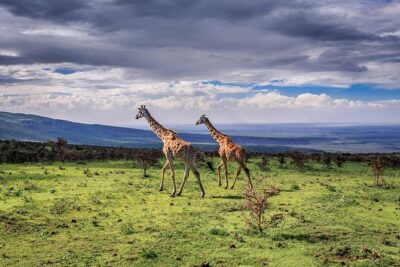
5 Days Tanzania Group Joining Safari, Tarangire/Serengeti/Ngorongoro Crater
Our review of it →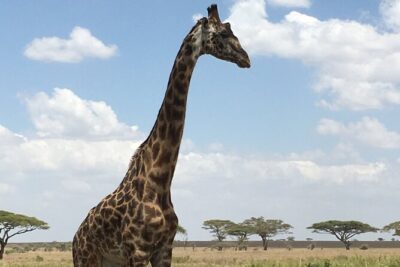
5 day safari Tarangire Serengeti and Ngorongoro crater
Our review of it →Browse the lists this tour appears in